Use the route below for planning, then open the linked sources for details that can change.
Start with your route list, not the pass name
Seoul now has two products that visitors should not confuse. The city ended recharging the prepaid 30-day Climate Card after August 31, 2026; short-term Climate Card passes remain available. Climate Pass is part of the national Everyone's Card/K-Pass fare-benefit program and is designed for Seoul residents. If you are visiting rather than living in Seoul, do not assume that you can register for Climate Pass. Start by listing the accommodation station, airport leg, day trips, and late returns, then check which product and current service area actually fit those routes.
Compare the pass with ordinary pay-as-you-go travel
Estimate how often the group will use eligible transport and how fixed the schedule really is. A pass can reduce repeated fare decisions and support spontaneous eligible rides, while a standard stored-value transit card can be simpler for lighter travel or routes that cross coverage boundaries. Count each traveler separately because sharing rules and product conditions matter. Also consider the cost of changing a carefully planned route merely to stay inside pass coverage; convenience may be more valuable than theoretical savings. Use the current official price and validity information during the comparison, but do not preserve an old calculation as a permanent recommendation.
Check coverage boundaries and operator exceptions
Seoul's August 20, 2026 transition notice says short-term Climate Card passes continue, while the prepaid 30-day product's final recharge date was August 31. From October 1, the short-term pass service area changed to travel within Seoul and trips ending at Incheon International Airport; the airport terminals are exit-only for Airport Railroad passengers using the card. Short-term passes do not include Hangang Bus or Ttareungi. Check the current Seoul coverage map for each boarding and exit station, especially around Gimpo Airport and the Gyeonggi boundary, and keep an ordinary payment method for uncovered travel.
Separate purchase, loading, and activation decisions
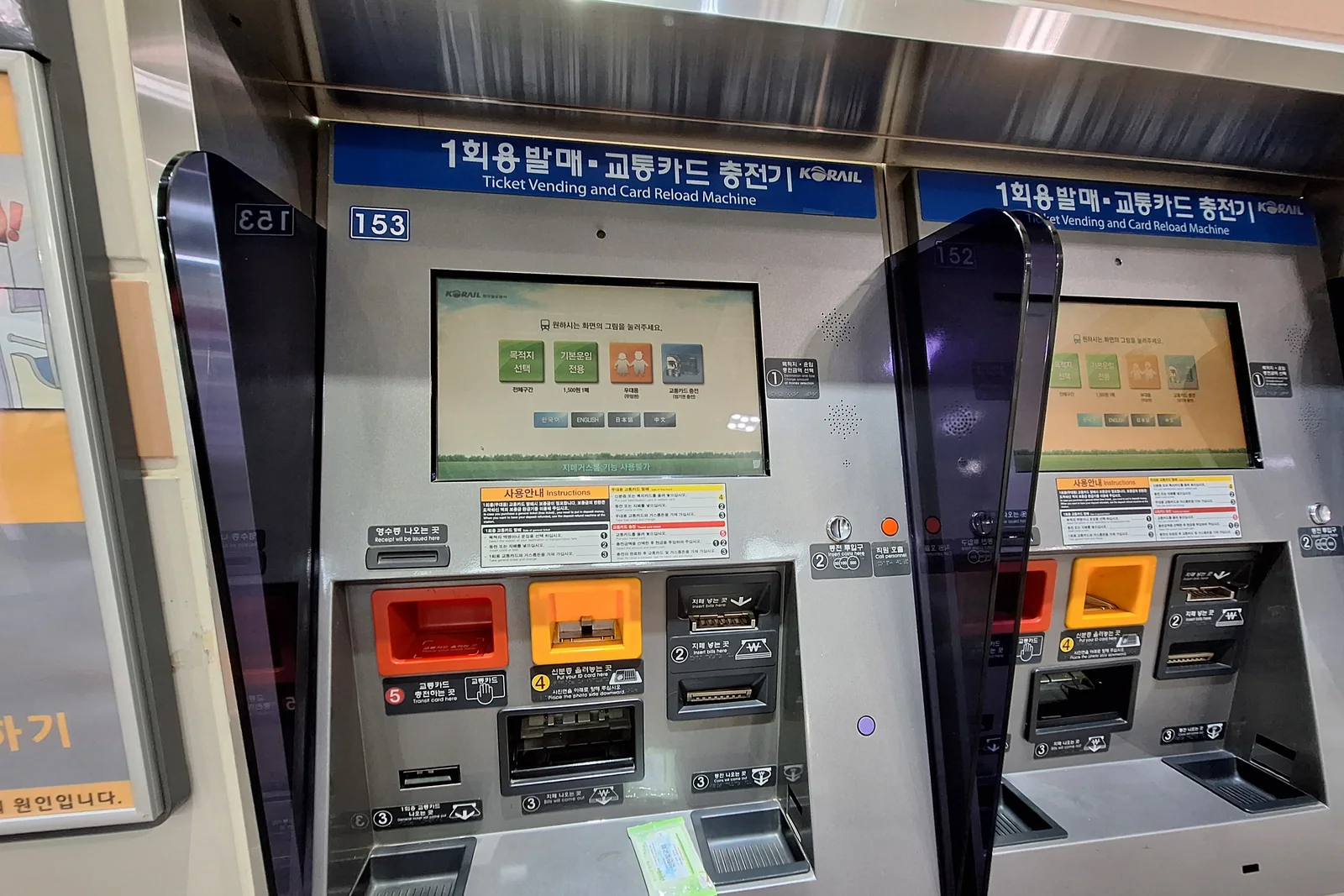
A physical card, a mobile option, a short-term pass, and the act of loading or activating value can have different requirements. Compatibility may depend on the traveler's device and current service rules. International payment acceptance at selected machines or channels has expanded over time, but visitors should verify the supported location and payment method rather than assume every machine works the same way. Decide when the pass should begin based on the official activation rule and the first eligible travel day. Keep the receipt or transaction record until successful use has been confirmed at the gate or reader.
Carry a payment fallback for uncovered travel
Even a well-matched pass does not eliminate airport travel, regional excursions, service disruption, a lost card, or an itinerary change. Keep a separately usable payment method and enough knowledge to buy the required ticket for an uncovered leg. Save the card number or purchase record only through a secure method, and review the official replacement or refund conditions before assuming value can be recovered. At a station gate, ask staff rather than repeatedly tapping through an error. The fallback is part of the itinerary design: it lets the traveler choose the best route without forcing every journey into a single transit product.
Make the final decision from current Seoul rules
Product duration, price, coverage, sales channels, eligibility, device support, payment methods, and refund conditions can change. Recheck Seoul's current Climate Card page and its Climate Pass transition notice shortly before travel. Climate Pass is a resident-focused fare-benefit program, not the former 30-day prepaid pass; visitors should verify K-Pass identity and residence requirements before relying on it. Compare the remaining short-term Climate Card only against routes within its current service area. Choose ordinary pay-as-you-go travel when the itinerary is light, uncertain, or frequently outside coverage, and keep airport and regional journeys separate in the plan.