Use the route below for planning, then open the linked sources for details that can change.
Build the route around old Seongsu and changing Seongsu
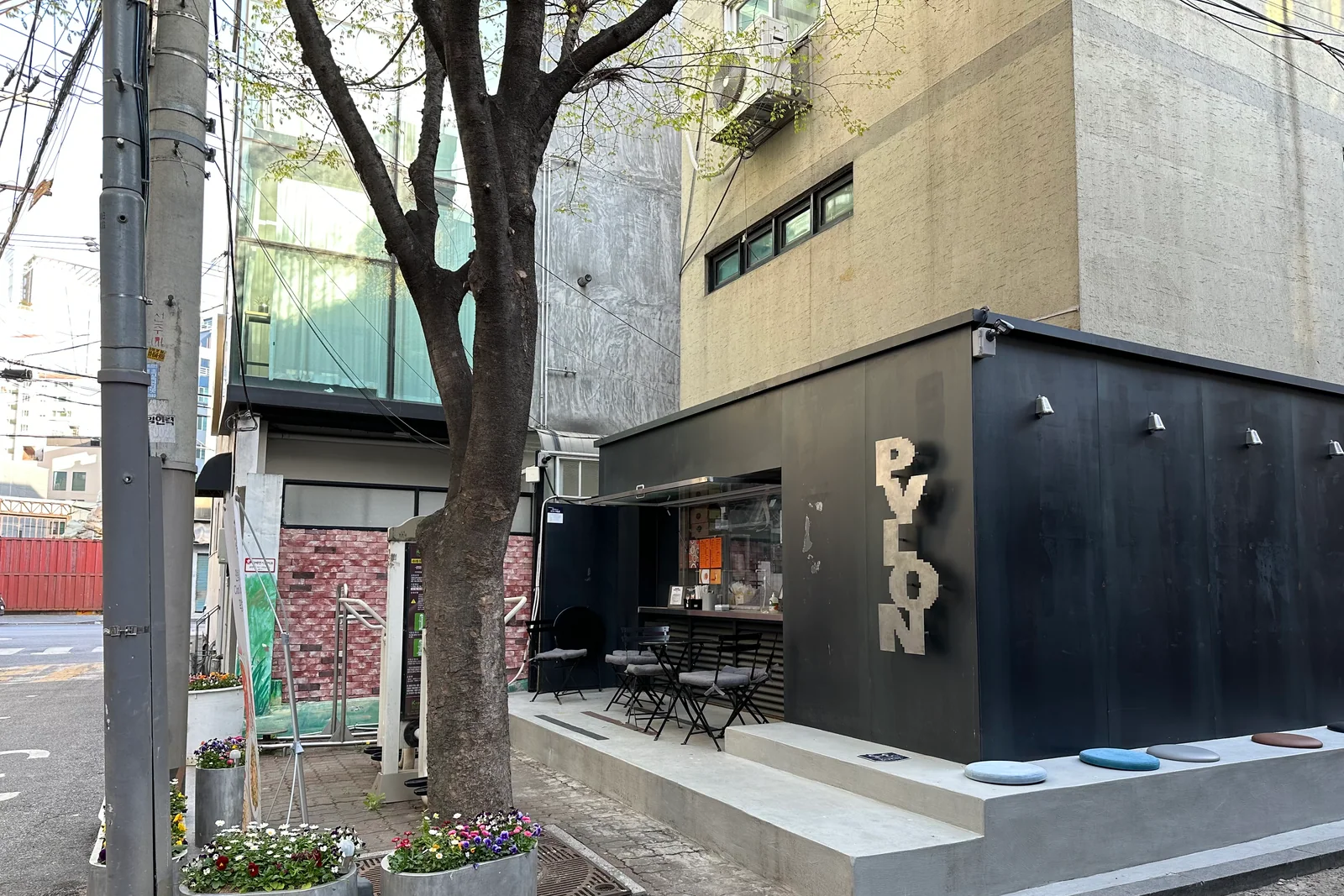
Seongsu's food appeal comes from contrast. The galbi alley represents a longer-running layer of the neighborhood, while cafés, bakeries, shops, and pop-ups can change much faster along nearby streets. Use the established alley as the meal anchor, select one café from current information, and let Seoul Forest or another public walk provide the finish. This structure survives when a viral dessert sells out or a branded pop-up closes. Start from the station side that supports the chosen order and avoid zigzagging between every saved map pin. Large blocks, queues, industrial-style entrances, delivery traffic, and uneven pedestrian conditions can add more effort than a stylized neighborhood map suggests. Save both the meal area and the final return station before beginning.
Make galbi the one substantial meal
At the galbi alley, ask whether the restaurant serves beef, pork, or both and confirm the cut, marinade, portion unit, and any minimum order before sitting. Galbi is commonly shared and cooked at the table or grill, so a solo traveler and a large group may face different practical choices. Order a manageable first round and add more only after seeing the real portion. Let staff handle charcoal, grill changes, and equipment, and keep coats, hair, bags, and children away from heat and smoke. Side dishes and lettuce can vary and should not be treated as guaranteed inclusions from another restaurant's review. The route should explain the meal format, not declare that one business or recipe is universally superior.
Check marinades, side dishes, and shared grills
A sweet-savory galbi marinade can involve soy, wheat, sesame, garlic, fruit, sweeteners, or other restaurant-specific ingredients. Side dishes may contain fish sauce, shellfish, egg, meat, or nuts, and shared grills or utensils create cross-contact. A restaurant serving beef is not automatically halal, and removing meat from a table does not make its grill suitable for a vegetarian meal. Ask about the exact meat and preparation before ordering and contact the venue in advance when an allergy or religious requirement is critical. Alcohol is often present in Korean group dining and may also appear in cooking, but no traveler should be pressured to order or drink it. Choose a different restaurant when the staff cannot confidently explain a necessary restriction.
Choose one café from live conditions
After a substantial meal, the useful café decision is about seating, wait, noise, accessibility, and one desired item rather than collecting several fashionable addresses. Check the business's current official channel and the actual entrance; a pop-up, bakery counter, or large café can occupy different floors and have different queue systems. Share a dessert or choose takeaway only when it will be eaten promptly and legally. Bakery items can contain wheat, dairy, egg, nuts, sesame, soy, or alcohol-based flavoring, and attractive display labels may not provide a complete allergen explanation in English. Coffee can also be skipped: tea, a packaged drink, or a walk offers a valid finish. Popularity and a photogenic interior do not establish dietary safety or justify blocking local sidewalks.
Protect the route from payment and queue friction
Confirm payment acceptance at both the restaurant and café because they are separate businesses with separate systems. Cards are common, yet a foreign card or mobile wallet can still fail; carry another card and a modest amount of Korean won. If a venue uses a remote waitlist, check whether it requires a Korean phone number and whether the group must remain nearby. Do not surrender the entire afternoon to an uncertain queue when another suitable café or a park walk preserves the route. Fixed prices, wait estimates, baking schedules, and sell-out claims age quickly and should remain outside evergreen copy. The decision rule is to know the order, portion, total, and expected wait before committing, then leave when the experience no longer fits the day.
Use Seoul Forest as an optional finish and recheck
Seoul Forest can provide a relaxed finish after the restaurant and café, but weather, air quality, park notices, fatigue, and the final station connection should determine whether it belongs in the day. Follow current park rules, keep food and packaging under control, and do not assume that lawns or seats will be available. Before departure, reopen the official galbi-alley and Seoul Forest sources and check the chosen businesses directly. Keep the plan simple: one established meal area, one café chosen on the day, and an optional park finish. If pedestrian routes or food-alley conditions have changed, follow current local guidance rather than an old pop-up or café list.