Use the route below for planning, then open the linked sources for details that can change.
Use Incheon Art Platform and Byukchoji Gardens
Official Korea Tourism Organization material connects Descendants of the Sun with Incheon Art Platform and Byukchoji Gardens. These two places supply public visitor purposes independent of the drama: a cultural complex in Incheon's port district and a managed garden in Paju. They are far apart and should not be sold as one compact walk. Choose Incheon for an urban culture day or Paju for a garden-centered regional trip. Save the exact Korean place name and operator page before departure, and keep any other widely shared military, hospital, house, or overseas set address outside the route unless an official source and current public access both support it.
Build the Incheon option around the art platform
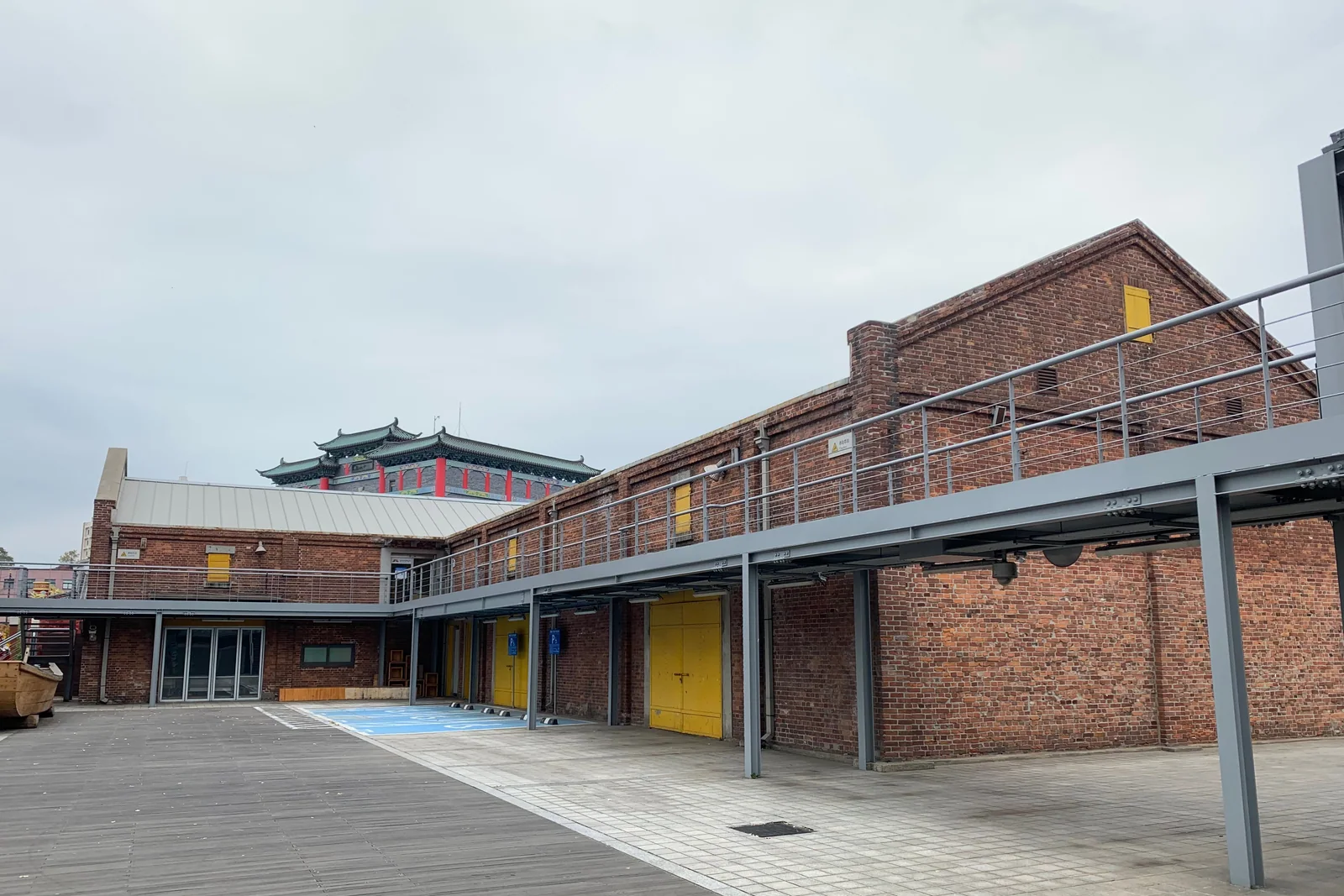
KTO names Incheon Art Platform among the drama productions filmed in its restored port-era buildings. The platform is an active arts institution, so current exhibitions, building access, installations, and photography rules belong to its operator. Begin at the public entrance and combine the visit with the surrounding open-port cultural district rather than searching behind workspaces. A building used on screen may be closed for installation or an event while the exterior complex remains accessible. Keep the route useful through museums, streets, and waterfront context. Follow staff directions, do not interrupt artists or crews, and avoid describing an unconfirmed interior as the remembered scene.
Treat Byukchoji as a separate Paju garden day
KTO's current destination material identifies Byukchoji Gardens as a filming place for Descendants of the Sun. The garden is a ticketed operator-controlled destination whose seasonal displays, pathways, admission, and photography policies can change. Confirm the current notice directly and plan the Paju connection before leaving Seoul. Do not promise a particular bloom, backdrop, or preserved set element. Stay on visitor paths and respect any area reserved for maintenance, events, or commercial shoots. If weather or access makes the garden unsuitable, use another confirmed Paju attraction as the day's fallback rather than substituting a private house associated with an online filming map.
Leave military and disaster scenes on screen
The series includes military operations, medical emergencies, dangerous construction, and disaster settings. None of those story elements are instructions for visitor behavior. Do not enter restricted facilities, imitate uniforms, cross safety barriers, stage emergency scenes, or seek active military and medical sites. At the art platform, behave as an arts visitor. At the garden, behave as a garden visitor. Brief scene context is enough to explain the relationship without dialogue, long plot summary, stills, or risky reenactment. When an angle requires a closed building, planted bed, service path, or private property, photograph the broader public destination and continue.
Choose the anchor that fits the wider trip
Incheon Art Platform fits an Incheon old-port day and can connect with established city attractions. Byukchoji fits a Paju day whose transport and seasonal garden conditions have been checked. Traveling between them solely for two filming photos creates unnecessary distance and weakens both visits. Decide from accommodation, luggage, mobility, weather, and the next fixed reservation. Keep a same-region non-drama alternative for each route. The drama relationship is only one layer of the decision. A traveler who cannot verify current garden admission can still choose the public Incheon cluster; someone based near Paju can enjoy the garden without adding central Incheon.
Match filming evidence to live operator rules
Use the two KTO references for the drama-to-place connection, the Incheon Art Platform for current institutional access, and Byukchoji's operator for the garden visit. Reopen those pages close to travel. Do not carry old hours, ticket prices, exhibition lists, bloom forecasts, or photography permissions into static planning. Confirm the public entrance, current closure notice, route, and lawful photo areas. If either connection or access cannot be verified, remove that place rather than replacing it with a fan address. The two-option structure remains useful because each destination has a genuine cultural or garden purpose even when no scene element is preserved.