Use the route below for planning, then open the linked sources for details that can change.
Choose the Ulsan coast or the Buan-Gochang route
Official KTO pages connect See You in My 19th Life with Jinha Beach and Nasa Beach in Ulsan, Chaeseokgang in Buan, and Borinara Hagwon Farm in Gochang. The Ulsan pair can support one coastal day, while Buan and Gochang form a separate Jeonbuk journey with longer regional movement. Do not combine both coasts in a single-day promise. Decide from accommodation, tides, weather, seasonal fields, and the return gateway. Save the exact Korean place names because similarly named beaches and broad cliff areas can cause navigation errors. Each destination has an independent public purpose that should remain useful beyond the drama.
Pair Jinha and Nasa only in safe coastal conditions
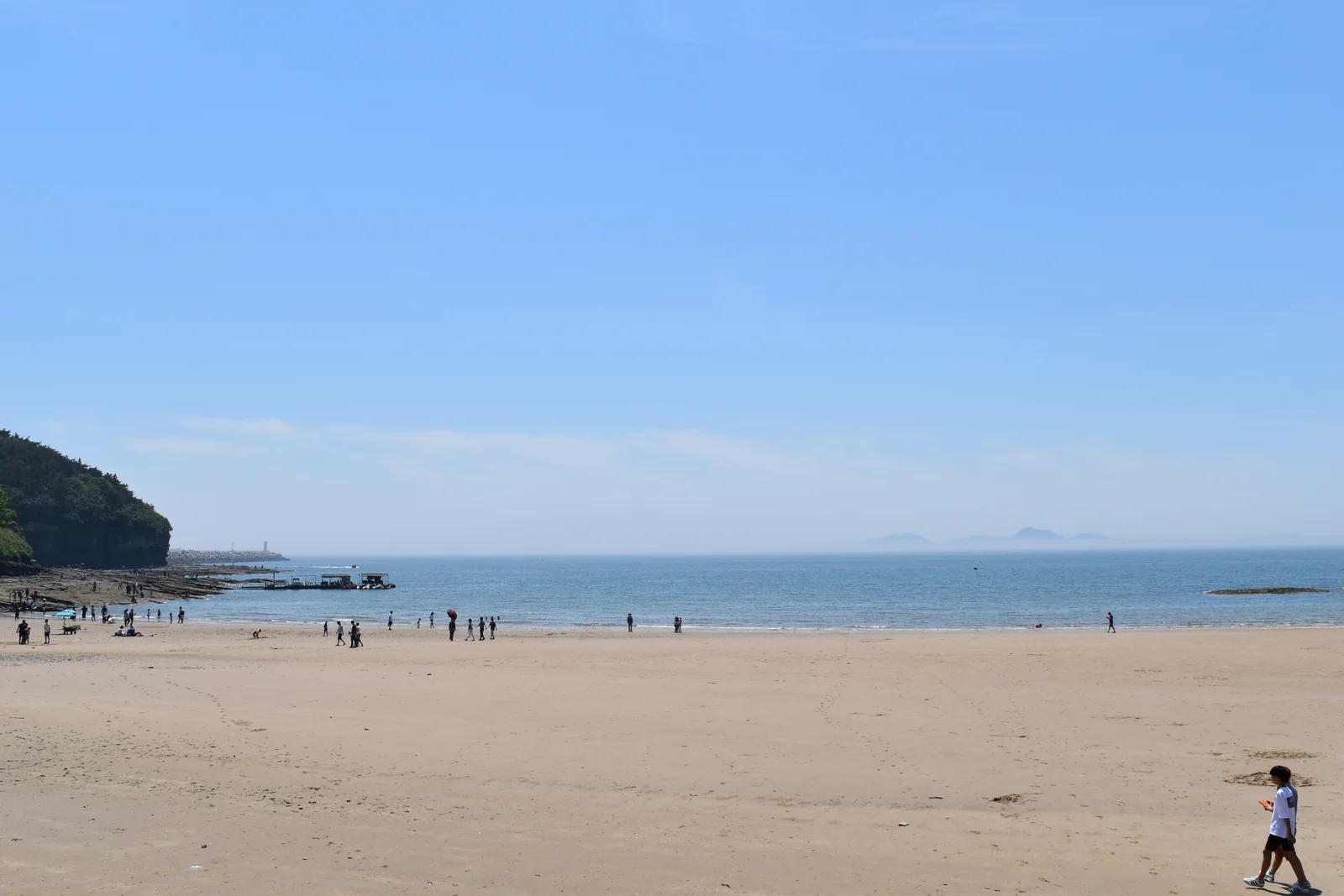
KTO identifies Jinha Beach with a group walk and Nasa Beach with the leads' dance by the sea. They are public coastal destinations, not controlled sets. Check swimming boundaries, weather, waves, lighting installations, parking, and any seasonal management through Ulsan sources. Remain on lawful paths and sand, keep fishing and residential access open, and do not enter water or climb structures for a remembered shot. The beaches can fit one Ulsan day when conditions and transport allow. If wind, waves, or darkness make one stop unsuitable, keep the safer beach and add a normal public attraction instead of searching for another unverified scene.
Visit Chaeseokgang around the real tide and cliff rules
KTO connects Chaeseokgang's layered cliffs and coastal caves with Ji-eum's memories. Access depends on sea and tide conditions, and the geological site requires more care than a screen image suggests. Check Buan's current safety guidance and weather before approaching the shore. Stay outside closed areas, wear suitable footwear, and never enter a cave or narrow section when water conditions are uncertain. Chaeseokgang should anchor a Buan day rather than being treated as a photo stop between Ulsan and Gochang. When the safe viewing window is unavailable, use a public overlook or another Buan destination without claiming the same filming relationship.
Treat Borinara as a working seasonal farm
The official romance route associates Borinara Hagwon Farm with a past-life flower-field sequence. The farm grows different crops through the year and controls visitor paths, events, admission, and photography. Confirm the current operator notice and do not promise buckwheat, barley, sunflowers, or cosmos based on an old article. Stay out of planted rows and working areas, and avoid large reenactments that obstruct other visitors. Gochang can be paired with its own public heritage and food stops, but it should not be added to the Ulsan coast. A field with no expected bloom can still be a valid operator visit if its current program suits the trip.
Let geology, farming, and coastal safety replace reenactment
The drama's themes of memory do not justify risky cliff access, entering crops, or dancing near unsafe water. Keep plot context concise and do not copy dialogue, stills, posters, or shot sequences. Use licensed photographs of present destinations and label them accurately rather than implying a preserved frame. At the beaches, respect residents and fishing activity; at Chaeseokgang, follow conservation and safety boundaries; at Borinara, follow farm directions. If a social post suggests a closer angle across a barrier or private field, reject it. A useful guide helps the visitor understand the real region while making the screen connection secondary to lawful access.
Refresh tide, beach, and farm conditions
Use KTO to establish the specific filming relationships and Ulsan, Buan, Borinara, and transport operators for current access. Recheck tide and sea warnings, beach management, seasonal crop notices, closures, photography rules, and the return route immediately before travel. Do not preserve old hours, field calendars, fees, or route times as permanent facts. Choose Ulsan or Jeonbuk, keep a same-region fallback, and remove any stop that cannot be visited safely. This separation between screen evidence and live operating conditions is especially important for coastal geology and fields, where the scene's appearance may last only for a short weather or crop window.