Use the route below for planning, then open the linked sources for details that can change.
Start with the two confirmed Cheongju locations
Korea Tourism Organization identifies Cheongju Jungang Park as the place where Moon Dong-eun and Joo Yeo-jung connected over Go, and Cheongju Yonghwasa Temple as the setting for Choi Hye-jeong's plea for forgiveness. Those two named relationships make Cheongju a defensible filming-location trip. The same official course includes Ullidan Street and Cheongju National Museum for a different drama or for ordinary sightseeing, so do not relabel every stop as part of The Glory. Save the Korean place names 중앙공원 and 용화사 beside the official course before planning transport.
Keep the day inside one Cheongju cluster
Cheongju Jungang Park and Yonghwasa Temple belong in a Cheongju day, not as rushed add-ons to a Seoul filming tour. Choose the park or the temple as the first anchor according to the current arrival point, then use Cheongju City's live transport information for the connection between them. The National Museum can serve as a non-drama cultural fallback when weather, worship, maintenance, or an event affects a filming stop. Ullidan Street belongs to the Crash Course in Romance portion of the official itinerary and should be described accurately if included. Protect the return gateway before adding another neighborhood.
Treat the park and temple as active public places
Jungang Park is civic space used for rest, movement, and local events. Keep paths open, avoid photographing identifiable people without consent, and do not occupy a Go table when residents are waiting. Yonghwasa is an active Buddhist temple rather than a studio set. Enter only through the visitor route, lower voices, follow signs about worship and photography, and leave any restricted hall or ceremony undisturbed. A confirmed screen relationship does not grant access beyond the current public boundary. If either place posts a temporary restriction, enjoy the permitted grounds or move to the prepared museum alternative without searching for a private substitute.
Use scene context only to identify the place
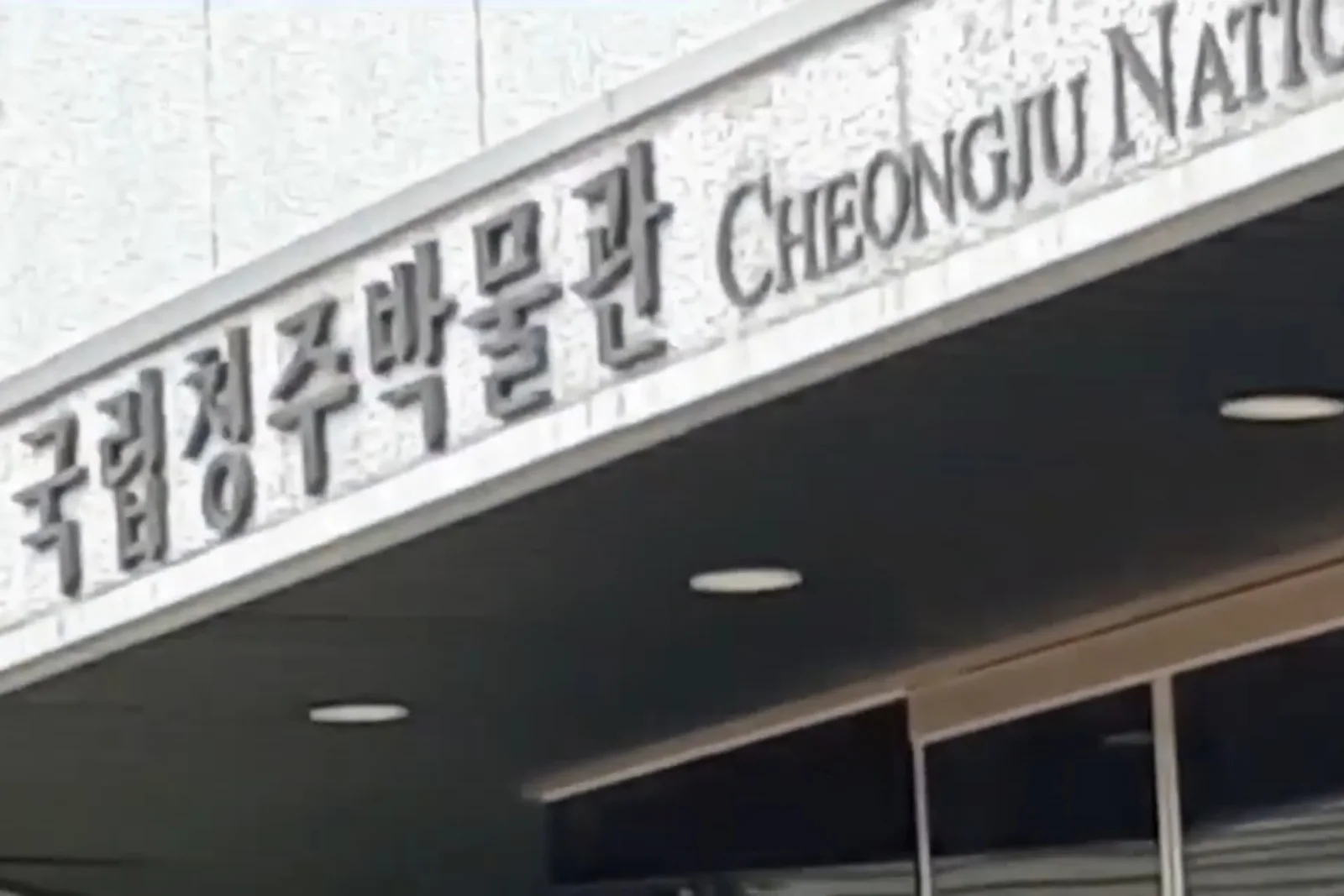
A short explanation of the Go meetings or temple confrontation is enough to connect each place with the series. Do not reproduce dialogue, episode recaps, Netflix stills, posters, or a shot-by-shot reenactment. The useful travel question is how the park, temple, and an ordinary Cheongju attraction fit into one respectful day. Trees, signs, furnishings, and viewpoints may have changed since filming, and the exact camera angle may no longer be available. Let current public conditions control the visit. The page's photograph shows the real destination under a reusable license and is not evidence that a protected drama image may be copied.
Give the trip a reason to work without the drama
A robust Cheongju plan includes one destination that remains worthwhile when a filming stop is unavailable. Cheongju National Museum supplies regional history and an indoor option, while the city center offers ordinary public streets and food choices that do not depend on a preserved scene. Confirm the museum's current visitor notice separately and choose meals as a normal customer rather than from an old fan ranking. If the temple is busy, do not replace it with an unverified address. If the park hosts an event, adjust the sequence instead of crossing barriers. The series connection should deepen a Cheongju visit, not override local use.
Reopen the filming course and city notices
Use the Korea Tourism Organization course for the work-to-place relationships and Cheongju City's tourism information for present-day access and local planning. These sources answer different questions. Recheck the park, temple, museum, transport, weather, and any event notice close to the visit, because a valid filming citation does not freeze operating conditions. Keep the route narrow: Cheongju Jungang Park, Yonghwasa Temple, and one ordinary fallback. Remove any stop whose current public access cannot be confirmed. This preserves the official evidence while avoiding private addresses, copied scene material, and unsupported claims about what a traveler will find on arrival.