Use the route below for planning, then open the linked sources for details that can change.
Anchor the day to Gocheok Sky Dome
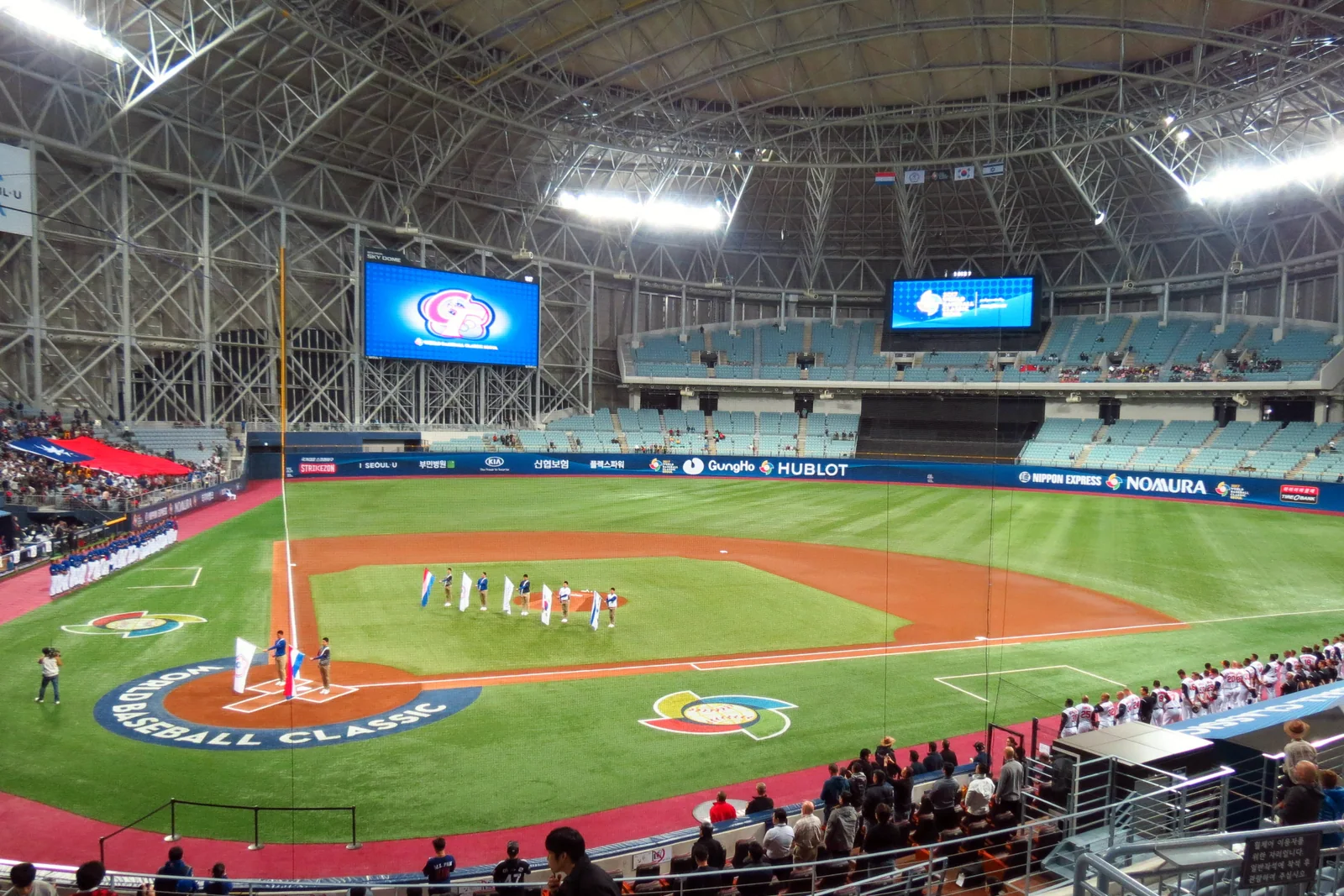
A large event at Gocheok Sky Dome should be planned around the exact organizer notice, not around a general image of southwestern Seoul. Save the venue's Korean name, performance title, booking account, and the entrance or ticket desk named for the event. The Seoul sports-facilities source can confirm the public facility, while the organizer controls event-specific admission. Avoid assuming that baseball operations, another artist's concert layout, or an old crowd video describes the day you will attend. The practical question is not simply how to reach Gocheok, but how to arrive at the correct public access point with every required document ready.
Resolve ticket and baggage uncertainty before travel
Review purchaser-name rules, identity documents, mobile-ticket access, collection procedures, and any age or companion condition through the current seller and organizer channels. A venue page cannot override a seller's ticket terms. Keep the original document requested by the event and retain access to the account instead of depending on one screenshot. Check the event's own prohibited-item and bag guidance; do not assume that storage will be available near the dome or that an item admitted for a sports fixture will be allowed at a concert. Move suitcases to confirmed storage or accommodation before joining the venue-bound crowd.
Map the final walk and a visible meeting point
Use current Seoul transport information to compare the full route from the accommodation to the named dome entrance. The nearest-looking station is only one layer of the decision; include the final pedestrian segment, road crossings, weather, mobility needs, and event diversions. Companions should meet at a named, publicly accessible landmark outside the security or ticket queues, then move together to the required checkpoint. Save the location in Korean and as a map pin. Vague messages such as ‘outside the dome’ fail when barriers divide the frontage or different attendees are directed around separate sides of the building.
Do not let optional activities endanger entry
Work backward from the earliest required checkpoint rather than the advertised performance. Food and rest should fit the approach without adding another cross-city transfer. Confirm dietary needs directly with a business and keep medicine, identification, a charging method, and weather protection accessible. Merchandise is optional and may use a separate queue, so decide in advance what the group will abandon if demand is heavy. Build margin for wayfinding, companions, and an organizer clarification. The strongest event-day plan has fewer moving parts near entry, leaving the traveler able to follow staff directions instead of defending a tightly packed sightseeing schedule.
Design a return that survives crowd controls
Prepare two plausible return categories and record the actual accommodation address for both. Do not write a permanent last-train claim into the plan. Service notices, maintenance, and police or venue crowd management may affect the post-event route. The group should agree on a reunion procedure if members leave through different gates and on a battery threshold for switching from optional phone use to navigation only. If arranging a vehicle, use the official designated pickup process and a precise meeting point; a driver may be unable to reach the inbound drop-off area after the show. Follow live staff instructions over a saved morning screenshot.
Verify the current event record before leaving
Reopen the Seoul Sports Facilities information for Gocheok Sky Dome, the organizer's issued event notice, and the relevant Seoul transport source on the day of travel. Confirm the facility name, entry sequence, ticket evidence, bag rules, accessibility support, weather response, and the direction of any controlled pedestrian flow. Visit Seoul can help place the trip in the city, but it is not a substitute for the operator that controls a live service or the organizer that admits the audience. This guide preserves a decision sequence rather than fares, clock times, queue locations, or transport guarantees that can become wrong between events.