Use the route below for planning, then open the linked sources for details that can change.
Identify KSPO Dome before entering Olympic Park
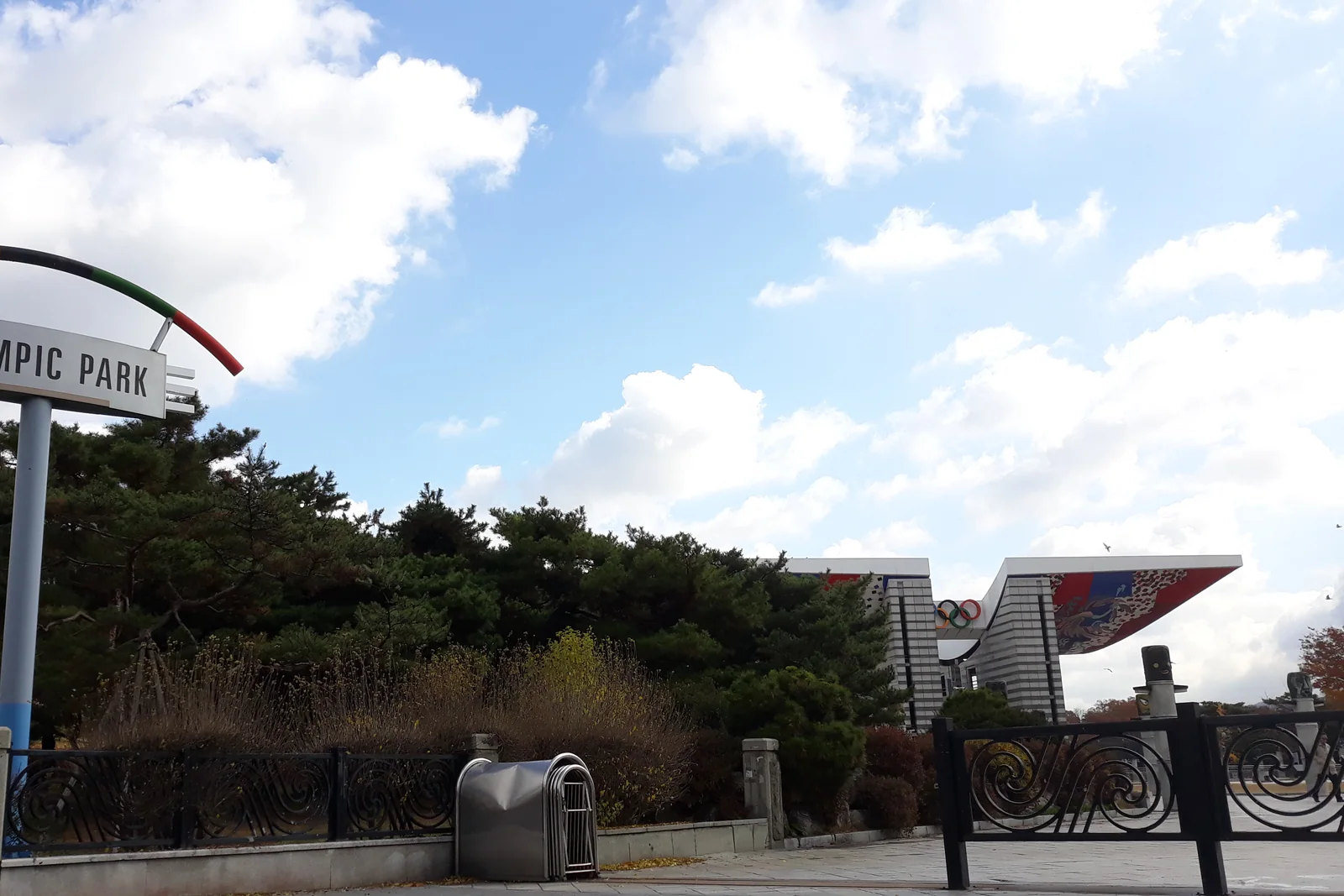
KSPO Dome is one destination inside the wider Olympic Park area, so a map pin for the park is not precise enough for an event day. Save the exact performance title, the venue name in Korean, and the entrance information issued by the organizer. Compare that notice with the current Olympic Park venue page before choosing a station exit or vehicle drop-off. A companion who searches only for Olympic Park can arrive at another facility or on the wrong edge of the grounds. Keep the dome as the navigation target and treat every other landmark as orientation, not as proof that the group has reached its entrance.
Separate ticket, entry, and merchandise tasks
List every required event task in the order specified by the organizer. Ticket collection, purchaser identification, wristband exchange, merchandise sales, bag inspection, and audience admission may happen at different points, and none should be inferred from a previous concert. Keep original identification and booking evidence accessible while preserving secure access to the ticket account. If companions hold different ticket types, decide whether they can remain together through each checkpoint. Optional shopping should never consume the margin reserved for a mandatory process. Venue staff can direct crowd movement, but only the current organizer and seller instructions can resolve ticket-specific eligibility or name-matching questions.
Choose an approach that reaches the correct side
Build the journey to the dome entrance rather than merely to the nearest rail label. Use current Seoul transport information for the city leg and Olympic Park guidance for the final approach across the grounds. Compare walking surfaces, weather exposure, mobility needs, and the possibility of event controls changing the normal pedestrian path. Save a Korean destination label for a driver and confirm any designated drop-off area in the event notice. When meeting someone, choose a named public landmark outside controlled queues. A screenshot of the exact reunion point is more useful than an instruction such as ‘meet at the park,’ especially when several facilities are releasing crowds together.
Keep the hours before entry geographically simple
Treat the first compulsory event step as the fixed anchor and work backward from it. Keep food, shopping, and sightseeing near the park or along the direct approach instead of crossing Seoul for an additional attraction. Confirm dietary or accessibility needs directly with the relevant business, and carry essential medicine, weather protection, and a charging method. Storage availability and bag rules are event-dependent, so do not arrive with luggage on the assumption that a locker or cloakroom will accept it. If an optional activity begins to compete with ticket readiness, remove the activity. A calm arrival is more valuable than a crowded checklist before a performance.
Prepare for separation and a changed exit route
Choose both a primary return and a fallback before entering the dome. Each plan should end at the actual accommodation, not simply at a familiar central station. Avoid storing a promised last service in the itinerary; transport patterns and crowd controls can change. Agree on an outdoor reunion point that remains accessible after the audience leaves, plus a response if phones become slow or a companion exits elsewhere. Follow venue staff and transport-operator directions even when they differ from the inbound path. If using a hired vehicle, verify the designated pickup method rather than improvising at a congested roadside where the driver and traveler may describe different gates.
Recheck venue and city transport guidance
Shortly before departure, reopen the Korea Sports Promotion Foundation's Olympic Park information and the organizer's latest performance notice. Use Visit Seoul only for broader destination context and current Seoul operator sources for the transport layer. Check whether the exact venue name, entrance process, prohibited items, accessibility arrangements, weather measures, and crowd instructions still match the saved plan. We leave out fixed door times, baggage dimensions, fares, and final-service promises. In practice, identify the dome within the park, separate mandatory checkpoints, approach the correct side, protect the entry buffer, and leave with a documented fallback rather than relying on memory from another event.