Use the route below for planning, then open the linked sources for details that can change.
Define the specific event configuration
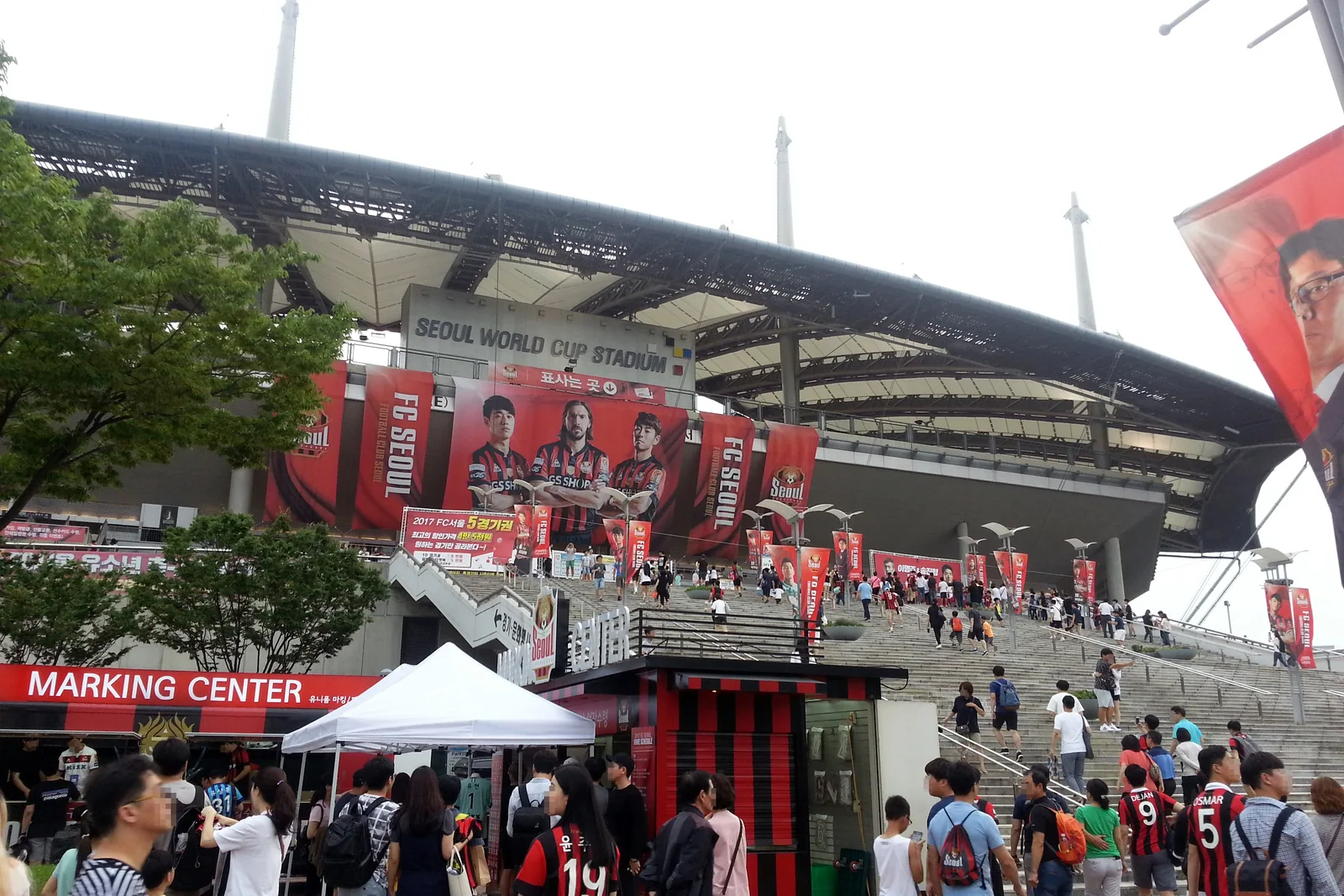
Seoul World Cup Stadium can host different event formats, so the building name alone does not describe the visitor experience. Begin with the organizer's notice for the booked match, concert, or public program and save the exact date, admission channel, entrance designation, and audience instructions. Use the Seoul Facilities Corporation stadium source to confirm the venue, but do not borrow a seating entrance or prohibited-item rule from another event. An outdoor stadium plan also needs a weather and crowd layer. The purpose of preparation is to reach the correct controlled area with appropriate belongings, not simply to arrive in the World Cup Stadium neighborhood.
Prepare for weather without violating bag rules
Check the current forecast and organizer guidance together. Heat, cold, rain, wind, and strong sun can affect the approach, queue, and seated period, yet some protective items may be restricted by the event. Verify permitted bag size and weather equipment instead of assuming that an umbrella, bottle, large coat bag, or seat accessory will be accepted. Keep medicine, identification, and a charging method accessible. If conditions create a health concern, decide before travel what would trigger a shorter visit or a request for support. Generic seasonal advice never overrides an event-specific safety notice or staff direction at the venue.
Navigate to the assigned side, not just the station
Build the route to the entrance named in the current ticket or organizer notice. Use Seoul transport information for the city leg, then account for the surface walk, road crossings, temporary barriers, and the scale of the stadium perimeter. A companion arriving from another direction should meet at a named public landmark outside ticket and security lines. Share a map pin and Korean label rather than ‘main gate,’ which may not match temporary signs. Travelers with mobility needs should confirm the supported access route in advance, because the shortest map line may not be the usable path through event controls.
Sequence admission before food and shopping
List mandatory processes such as ticket activation, identity confirmation, collection, security, or wristband exchange in the order published. Preserve access to the original account and carry the requested document. Food, nearby shopping, and merchandise should remain optional until those obligations are secure. Do not count on a particular concession, payment method, re-entry rule, or storage service without current confirmation. A large crowd can lengthen a simple transaction and make companions difficult to find. Choose a pre-event meal that can finish without risking the entry margin, and agree who holds shared booking evidence when the group separates.
Build a return fallback for crowds and weather
Prepare at least two return categories that lead to the exact accommodation, without fixing a last departure in static notes. After a large event, crowd controls can close a familiar entrance, and poor weather can make an exposed wait unsuitable. Decide where the group will reunite if redirected and when it will switch from the primary plan to the fallback. For a hired vehicle, verify the designated pickup arrangement and avoid roadside improvisation around the stadium. Preserve phone battery and keep the address in Korean. The safest outbound decision may differ from the fastest inbound choice because the audience is leaving at the same time.
Check all three operational layers again
Before departure, reopen Seoul Facilities Corporation for the stadium, the organizer for this specific event, and current Seoul transport information for the travel layer. Review any change to entrances, admission evidence, restricted belongings, accessibility, weather response, or post-event movement. Visit Seoul can support wider neighborhood planning but is not authoritative for a live ticket or service. This guide leaves out changing prices, times, bag dimensions, and transport promises. In practice, define the event configuration, reconcile weather equipment with rules, navigate to the correct side, protect admission tasks, and keep a crowd-ready route home.