Use the route below for planning, then open the linked sources for details that can change.
Keep the day inside the Jeonju heritage cluster
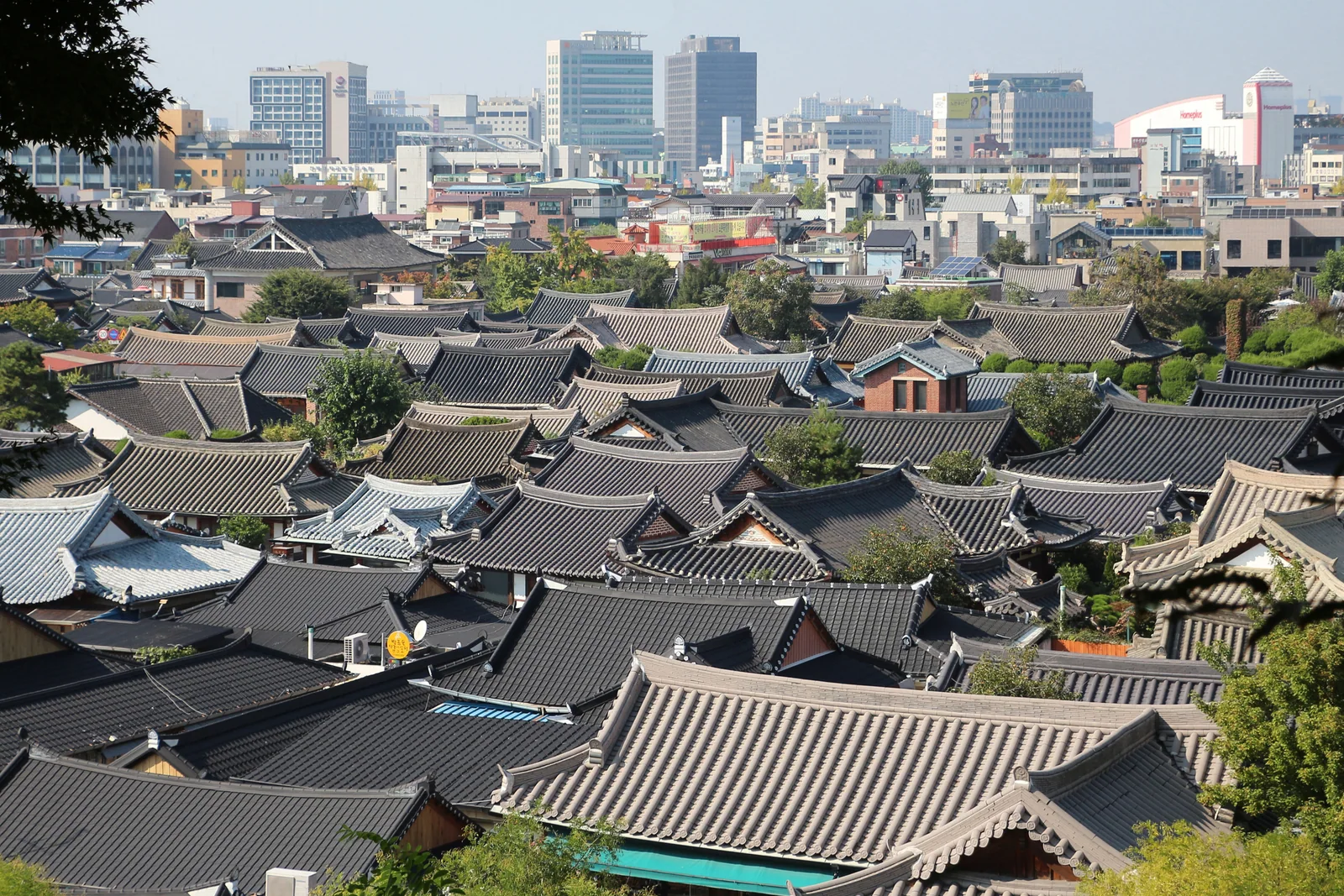
VISITKOREA's official Twenty-Five Twenty-One itinerary places its core route in Jeonju and gives a total course around 4.2 kilometers. Hanbyeok Tunnel, the reconstructed Ahyeon Supermarket set, and the Hanok Village area can form a genuine walking day after the station-to-center transfer. Jeonju Station is not beside the village; settle luggage and use the current city connection before starting. Save Hanbyeok Tunnel as the first public anchor and plan the return to the station separately. Do not add distant fan-list locations merely to follow episode order. The compact local geography gives you useful walking choices instead of a series of unrelated addresses.
Begin at Hanbyeok Tunnel and Baramssoeneun-gil
KTO identifies the 60-meter Hanbyeok Tunnel near Jeonju Hanok Village as the setting for important conversations, while its destination page places the tunnel at the end of Baramssoeneun-gil. Check current pedestrian and bicycle conditions, lighting, weather, and any maintenance notice. Keep to the side in the narrow tunnel, avoid flash or tripods when others are passing, and never stage an argument or cycling scene in the travel lane. The riverside approach adds ordinary walking value beyond the drama. Travelers who need a shorter or more accessible route should start from a confirmed nearby drop-off and turn back before uneven sections. From the tunnel, continue toward the village once rather than retracing the entire path.
Recognize Ahyeon Supermarket as a reconstructed set
The official KTO feature explains that the original Ahyeon Supermarket film set was dismantled and later reconstructed after the drama's success. That distinction matters: a reconstruction can be altered, maintained, closed, or managed under current local rules. Verify its present public status through Jeonju tourism before including it. Stay on the designated visitor side, do not climb furniture or attach props, and leave access clear for neighbors. A replica is useful for interpretation but should not be described as an untouched business from the 1990s. If the set is unavailable, continue through the Hanok Village's lawful public streets and cultural institutions; do not search for a similar residential shopfront.
Treat the former Crossing Guesthouse as exterior context
VISITKOREA currently says the Hee-do’s House location formerly operated as Crossing Guesthouse and, after closing, became a tourist attraction for drama fans. That record does not establish indoor access. Unless the present owner clearly offers a visitor service, treat the location as exterior context only. Do not enter rooms, yards, rooftops, gates, or toilets, photograph occupants through windows, or wait in a doorway.
Finish with heritage or food that stands on its own
After the filming anchors, choose one Jeonju experience through the official tourism sources: a heritage institution, Gyeonggijeon-area visit, craft program, public viewpoint, market, or a meal. Individual restaurants control current hours, queues, ingredients, and payment, even when a cast visit is mentioned in tourism material. Keep the route within the village cluster and allow for cobbles, slopes, heat, and weekend pedestrian density. Travelers carrying purchases should decide when to return for stored luggage. Before the final stop, calculate the city connection back to Jeonju Station and protect the booked train margin. A good drama itinerary should deepen the visit to Jeonju, not reduce the city to a collection of gates.
Refresh set, lodging, and city transport separately
VISITKOREA confirms the filming relationships, Jeonju City controls tourism and access guidance, each property controls entry, and rail or bus operators control the gateway. Reopen those sources before travel. The page contains no permanent restaurant hour, guesthouse admission, set condition, station bus number, or promise that a prop remains. Its dependable sequence is luggage first, current local transfer, Hanbyeok Tunnel, one verified public set if open, an ordinary heritage or food stop, and a protected return. When a house or business cannot be confirmed, remove it without weakening the route. That approach respects both the drama's Jeonju geography and the people who still live and work inside it.