Use the route below for planning, then open the linked sources for details that can change.
Start with the Busan district, not the word downtown
Gimhae International Airport serves a long, geographically varied city. Seomyeon is a central interchange and commercial district, Nampo connects with the older port-center area, and Haeundae lies along the eastern visitor corridor. Busan Station is useful for intercity rail but is not automatically the best airport-transfer target for every stay. Save the accommodation's Korean road address and identify the nearest practical metro station, bus stop, or taxi landmark. Then compare the complete route from the public arrivals area. A recommendation that says only ‘take the subway to Busan’ is incomplete because the light rail requires an onward decision, and the best interchange depends on the destination line and baggage involved.
Use light rail by choosing the right interchange
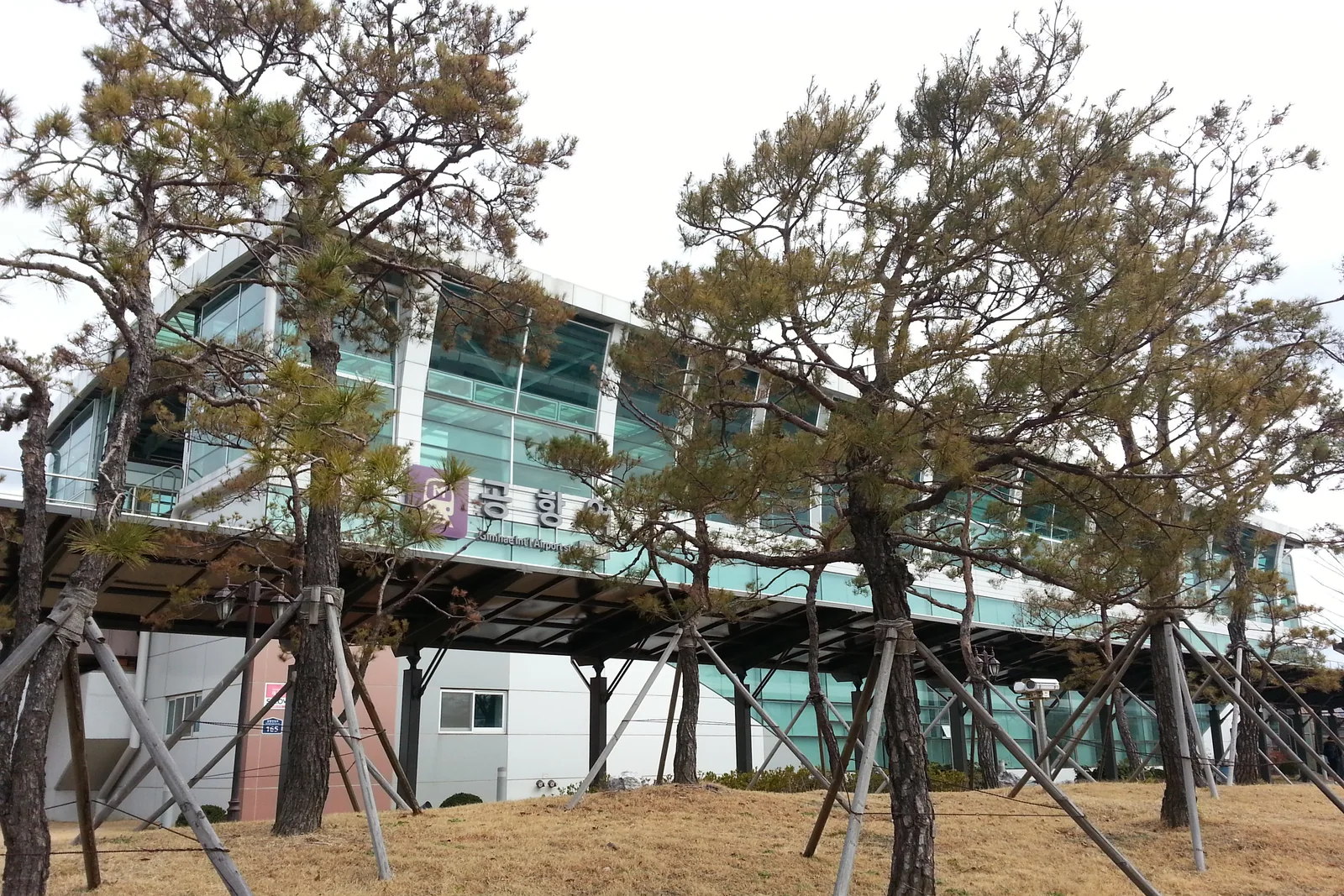
The Busan-Gimhae Light Rail connects the airport with the wider urban rail network. The official airport and Visit Busan guidance identify interchange paths toward Busan Metro lines, but the useful choice depends on the final district. Select an interchange that places the traveler on the metro line serving the accommodation rather than copying one universal transfer. Count elevators, walking inside the interchange, and the ability of every traveler to move the luggage. Confirm the destination direction before entering the next platform and keep the hotel address visible. Light rail and metro can provide a clear, traffic-independent sequence, yet a technically valid route may still be poor for a large group, oversized baggage, mobility needs, or a late completed arrival.
Evaluate the current airport bus as a directness tradeoff
An official airport bus can reduce rail transfers when its current stop pattern serves the accommodation corridor. It is not automatically door to door: a named district stop can remain some distance from the hotel, and luggage still has to move from the stop. Check the Gimhae Airport transport page and Visit Busan guidance for the live route, boarding area, service notice, and operator link. Compare the final walk or taxi connection with the rail alternative. Do not preserve a timetable, fare, stop list, or claim of guaranteed service in static copy. Airport-bus operations can change, so the official airport display and operator notice on arrival should override an itinerary saved before the trip.
Use a taxi for the right problem
A taxi can be sensible when companions share the cost, luggage makes multiple transfers difficult, the hotel is far from rail, or the arrival leaves limited public transport. Join the designated airport taxi queue and show the exact Korean address rather than only a hotel brand that may have several properties. Ask the accommodation which entrance or landmark works best for drop-off. The official airport page provides current taxi categories and estimates, but traffic, destination, vehicle type, and surcharges can change the outcome. Treat any saved estimate as orientation, not a quoted price. Keep the group together and decline unsolicited transport offers outside the airport's official process.
Protect the final leg after a long flight
Build the transfer from the time the group reaches public arrivals, not the scheduled landing. Immigration, baggage, customs, connectivity, and terminal wayfinding can alter which services remain. Save a primary route and a fallback that ends at the hotel entrance, including the last walk from metro or bus. If reaching Haeundae, Nampo, or another district requires a late local connection, confirm that connection separately instead of assuming an airport service continues there. Families and travelers with mobility needs should prioritize fewer uncertain transitions over the smallest apparent fare. If a connection disappears, pause at the airport information area and rebuild from current official information rather than racing toward an unverified platform.
Recheck the airport, light rail, and city operator
A reliable Gimhae transfer uses more than one official source. The airport publishes ground-transport access, the Busan-Gimhae Light Rail operator covers its line, and Visit Busan connects those systems with the city network and visitor districts. Reopen them close to travel and use live terminal and station displays on arrival. Check the current fare, travel time, interval, route, and last departure directly. Start with the hotel district, choose the useful interchange or direct corridor, allow for luggage, and keep a taxi fallback. Include Busan Station only when intercity rail or that neighborhood genuinely belongs in the itinerary.