Use the route below for planning, then open the linked sources for details that can change.
Choose one direction through Busan's original downtown
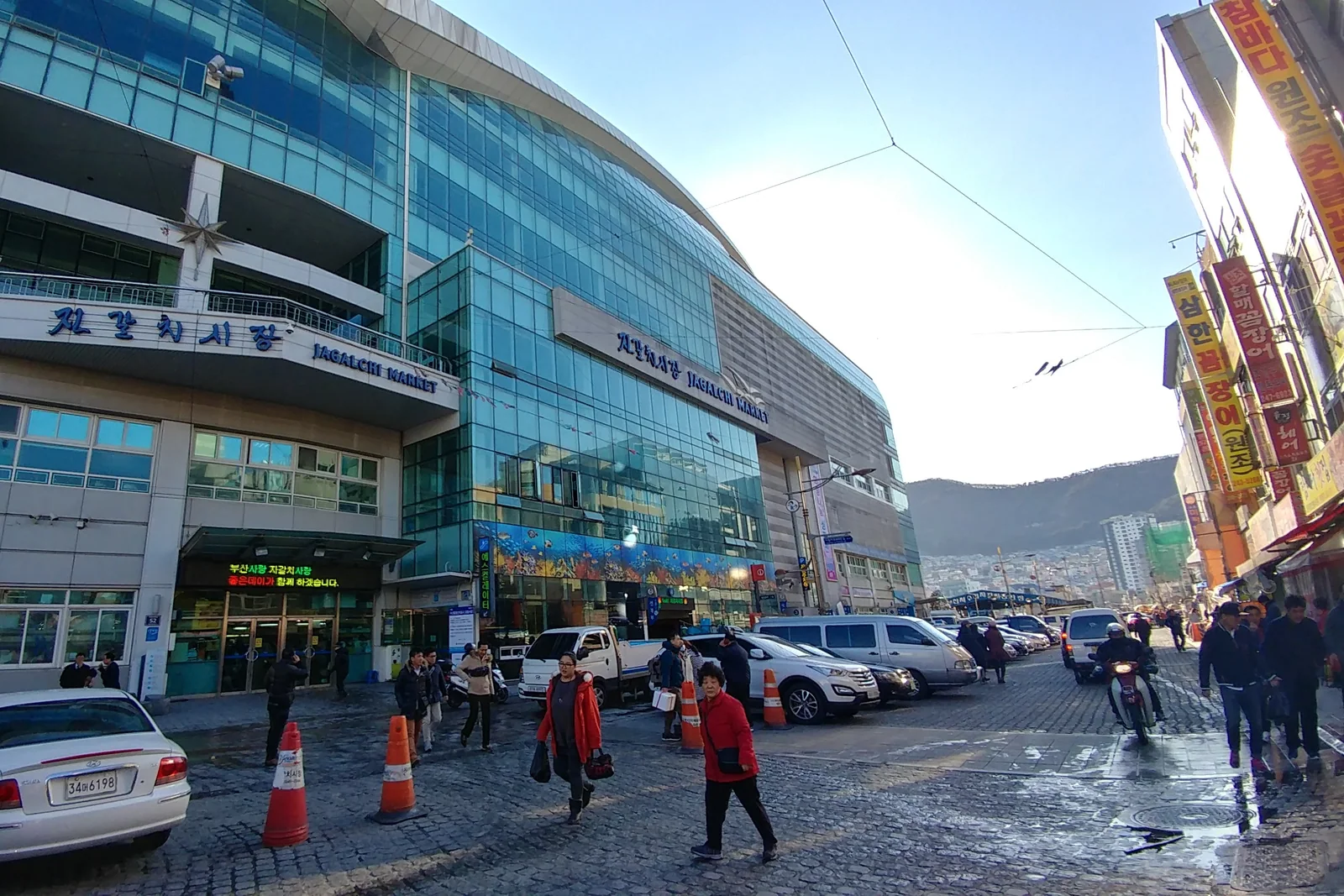
Jagalchi Market, BIFF Square, and Bupyeong Kkangtong Market are connected parts of a broader original-downtown visit, but they are not one food hall with shared rules. Mark the three official destination pages and choose a single walking direction before ordering. Travelers arriving from Busan Station may enter the district differently from travelers staying near Nampo, while a group continuing elsewhere should finish near the most useful transport. Pick one zone for the full meal, one for a snack, and one as optional browsing. This prevents appetite from ending before the route reaches its priority and reduces repeated walks through crowded streets. Weather, market notices, maintenance, and individual seller operations can change the usable path, so retain a same-district shortcut rather than making every stop mandatory.
Treat Jagalchi seafood selection and preparation separately
At a seafood market, selecting an item, agreeing on how it will be prepared, and eating in an associated dining area can be separate decisions. Ask what is being sold, how the portion is determined, where it will be cooked or served, what preparation charges or side items may apply, and how payment is divided before committing. Do not infer the final order from a tank, display, or gesture. Confirm whether an item will be served raw, lightly cooked, or thoroughly cooked and whether that preparation fits every traveler's personal requirements. When provenance, handling, shellfish exposure, or preparation is unclear, choose a thoroughly cooked option from a business able to explain the order. A market visit does not require eating raw seafood.
Use BIFF Square for one small contrast, not a second meal
BIFF Square can provide a street-food transition between market zones and a useful pause in the walking route. Browse the operating vendors before choosing, then select a snack that contrasts with the meal anchor instead of repeating a similar fried, sweet, or dough-based item several times. Confirm fillings, toppings, cooking oil, and portion expectations before payment. Eat at the place directed by the seller and keep cinema, retail, and pedestrian entrances clear. A famous snack name can appear at multiple stalls, but that does not make ingredients or handling identical. If the lane is congested or the group is already full, preserve the square as cultural context and continue without purchasing. The value of a directional food tour comes from the relationship between districts, not from proving that every stop produced a receipt.
Keep Bupyeong Kkangtong Market as a flexible final zone
Bupyeong Kkangtong Market has its own official visitor identity and operating notices, so do not assume that an older night-market post describes the current visit. Check the official market information and the conditions visible on arrival. Use this zone as the planned final meal only when appetite, transport, and current operation support it; otherwise browse a short section and end the route. Internationally influenced snacks and Korean market foods can sit close together, which makes ingredient assumptions especially unreliable. Ask what a sauce, filling, stock, or garnish contains and whether the same utensils or oil serve other items. Keep the exit and return route visible before entering dense aisles. An optional final zone is useful precisely because it can be removed without breaking the Jagalchi-to-Nampo story.
Control dietary, raw-food, and payment risk at every handoff
Seafood stock, shellfish, fish sauce, pork, beef, egg, wheat, soy, sesame, and shared frying oil can appear in foods that look simple from the front of a stall. State dietary requirements before an item is selected or cooked and do not treat a market category as a certification. For severe allergies, unclear cross-contact or language gaps should end the purchase rather than trigger a guess. Payment methods can also change between seafood sellers, preparation counters, restaurants, and street vendors. Confirm the complete order and the expected payment point before handing over a card or cash, retain the receipt when one is provided, and keep a backup payment method. Never rely on a verbal price remembered from another traveler, and never photograph a payment screen, card, or receipt in a way that exposes personal information.
Verify each market separately and protect the return
Use Visit Busan's original-downtown course for the geographic relationship, then open the separate official pages for Jagalchi Market, BIFF Square, and Bupyeong Kkangtong Market. Individual sellers and restaurants remain authoritative for their menu, preparation, ingredients, opening status, and payment acceptance. This guide contains no fixed vendor ranking, market hour, fare, price, or guaranteed dish. Before departure, confirm the station or road connection that serves the actual final zone and keep enough energy for that walk. Travelers returning to Busan Station should reopen the city-arrival guide in reverse; airport-bound travelers should use the Gimhae transfer guide rather than improvising from Nampo. A practical approach is one direction, one meal anchor, careful seafood decisions, optional snacks, and a confirmed return.