Use the route below for planning, then open the linked sources for details that can change.
Define personal food and prayer requirements first
Muslim-friendly travel is not a single universal standard. Begin by writing the traveler's own requirements for halal certification, meat sourcing, alcohol, shared cooking equipment, seafood, vegetarian dishes, ingredient disclosure, prayer, washing, privacy, and timing. VISITKOREA's official Muslim-friendly resources can help identify categories and candidate places, but those labels do not replace a person's religious judgment or a current conversation with the business. Decide which requirements are essential and which are preferences before building the route. This prevents an attractive map pin or broad ‘friendly’ description from being treated as a guarantee it was never intended to provide.
Understand what each official category confirms
Read the definition attached to an official category rather than assuming that every listed restaurant meets the same standard. A category may distinguish certified service, self-certified practice, Muslim-friendly options, or a pork-free menu, and the practical meaning can change when ownership, ingredients, or operations change. Check the source's review date and confirm the current situation directly with the restaurant. Ask focused questions about the dish, meat, stock, sauce, alcohol, and shared preparation that matter to you. If the answer remains unclear, choose another meal rather than treating a broad category as a stronger guarantee.
Build confirmed meals into the route geography
Choose one or two confirmed meal anchors near the day's fixed transport or sightseeing route, then keep alternatives in the same district. A famous restaurant across the city can create rushed prayer, long transfers, and a late arrival at a reserved attraction. Save the Korean name, address, and the specific requirement confirmed with the business. Carry a simple backup snack that complies with the traveler's needs, subject to customs and venue rules, so a queue or closure does not force an unsafe choice. Do not promise opening hours or seating from an old article; recheck with the business on the intended day.
Plan prayer as an itinerary anchor
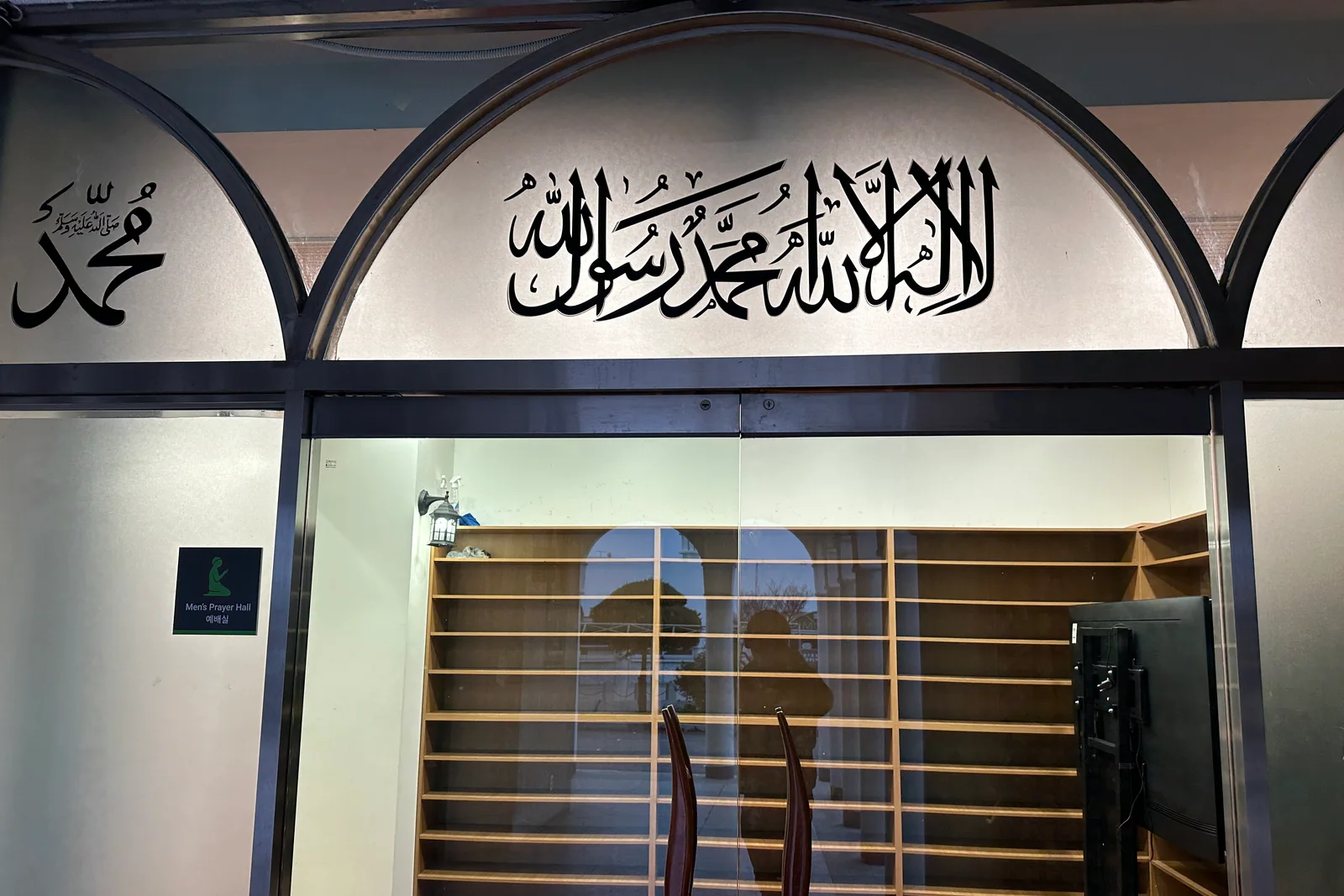
Identify suitable mosques or prayer spaces through current official or venue information and place them deliberately in the day's direction. Confirm access, intended users, washing facilities, privacy, and any permission or building-entry process that matters to the traveler. A room mentioned in an old guide may move or become unavailable, so keep a respectful backup rather than assuming any quiet corner is appropriate. Carry a compact prayer kit if useful and account for weather, cleanliness, and mobility. Companions should understand that prayer is a fixed need, not an optional stop to be squeezed between distant attractions.
Ask precise questions without pressuring staff
Prepare a short Korean or translated explanation of the ingredient or prayer-space question, then give staff time to answer honestly. Avoid asking only ‘Is this halal?’ when the business may understand the term differently; name the relevant concern. Do not demand that an employee guarantee a supply chain they cannot verify. If communication is incomplete, thank them and use the backup. Note what was actually confirmed, by whom, and when, without treating one employee's response as a permanent guarantee. Reviews from other travelers can provide leads, but an official category and direct current confirmation are safer grounds for the meal decision.
Recheck official categories and each business
Use VISITKOREA's current Muslim-friendly guidance to understand official categories and find possible facilities, then contact any restaurant, venue, mosque, or prayer space that is essential to the day. Reconfirm the classification, ingredients, preparation concerns, access, and intended visit date. A place should not be treated as permanently halal, permanently open, or suitable for every reader on the strength of an old listing. Start with your own requirements, understand the category's limits, confirm the details directly, and keep an alternative in the same area.