Use the route below for planning, then open the linked sources for details that can change.
Check each royal site independently
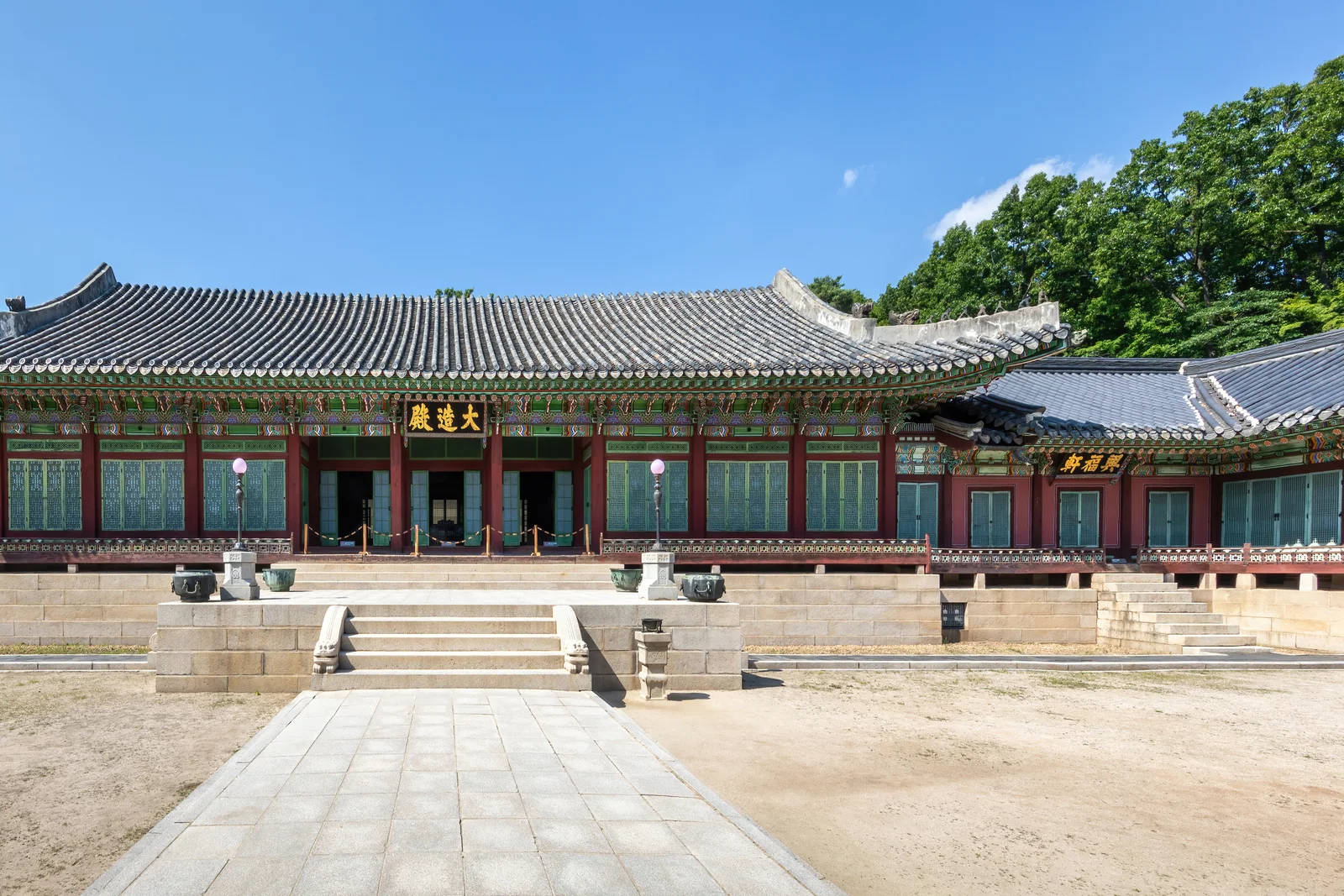
Seoul's royal palaces do not all share one weekly closure pattern. Under the normal official pattern reviewed on July 12, 2026, Changdeokgung, Deoksugung, and Changgyeonggung close on Monday, while Gyeongbokgung and Jongmyo close on Tuesday. If a regular closure overlaps a public or substitute holiday, the site opens and closes on the next first non-holiday. Special operations can still alter the calendar, so open the Royal Palaces and Tombs Center page for the specific site and read current notices before leaving. A closed gate should trigger a nearby backup, not a rushed trip across Seoul.
Preserve the neighborhood when the anchor closes
If the planned palace is unavailable, first look for an open royal site or public heritage area within the same central district and verify it independently. Keeping the neighborhood preserves the value of the station approach, restaurant plan, walking direction, and later reservation. From Anguk, a traveler can rebuild around the broader hanok and cultural district; from Gwanghwamun, the civic-center axis offers another structure. These are planning zones, not guarantees that every attraction is open. Select one replacement anchor from an official page and let public streets, squares, and a meal support it rather than stacking several unverified indoor stops.
Choose the backup by the group's actual need
A first-time visitor may prefer another major royal site, while a repeat visitor may value architecture, a neighborhood walk, an exhibition, or a slower market connection. In rain, prioritize short transfers and verified indoor access. With limited mobility, compare entrances, surfaces, rest points, and the distance back to transport before choosing a long wall or garden route. Families may need a simpler anchor with an easy meal break. The backup should solve the day's need, not imitate the closed attraction. Check each substitute's own official site because admission, reservation, and access conditions are not transferable from one palace to another.
Build one central loop instead of zigzagging
Start at the station that best serves the confirmed replacement anchor. Complete the time-sensitive indoor or ticketed visit first, then continue in one walking direction toward public streets, a verified cultural stop, or a meal. End near a station that suits the next destination; there is no need to return to the original entrance merely because the first draft did. Keep steep lanes and broad road crossings visible on the route. If the replacement requires another district, remove optional stops rather than compressing travel. A closure can improve the day when it forces a cleaner route with fewer repeated blocks.
Keep reservations and rental plans separate from admission
A clothing rental, photo session, restaurant booking, or guided experience may remain active even when a nearby royal site changes operations. Contact that business directly instead of assuming a palace notice cancels a separate reservation. Likewise, a rental does not provide entry to a closed or restricted site. Save confirmation details and decide whether the activity still has value in the surrounding public district. If not, follow its stated change policy. This separation prevents a palace closure from cascading into missed paid arrangements and avoids pressuring staff at an official site to resolve a booking made with an unrelated operator.
Run a morning status check before the heritage day
Use the official royal-palace hours and closure page for the normal pattern and its notice board for exceptions. Recheck the chosen replacement site rather than assuming it follows the same rule. We leave out fixed opening hours, admission prices, and a universal closed day. Save two versions: the preferred route and a nearby backup with one independently verified anchor. On the morning of the visit, confirm status, weather, mobility needs, and any reservation. That small review protects the route from holiday adjustments, maintenance, capacity controls, and special events while keeping most of the day in the same central Seoul area.