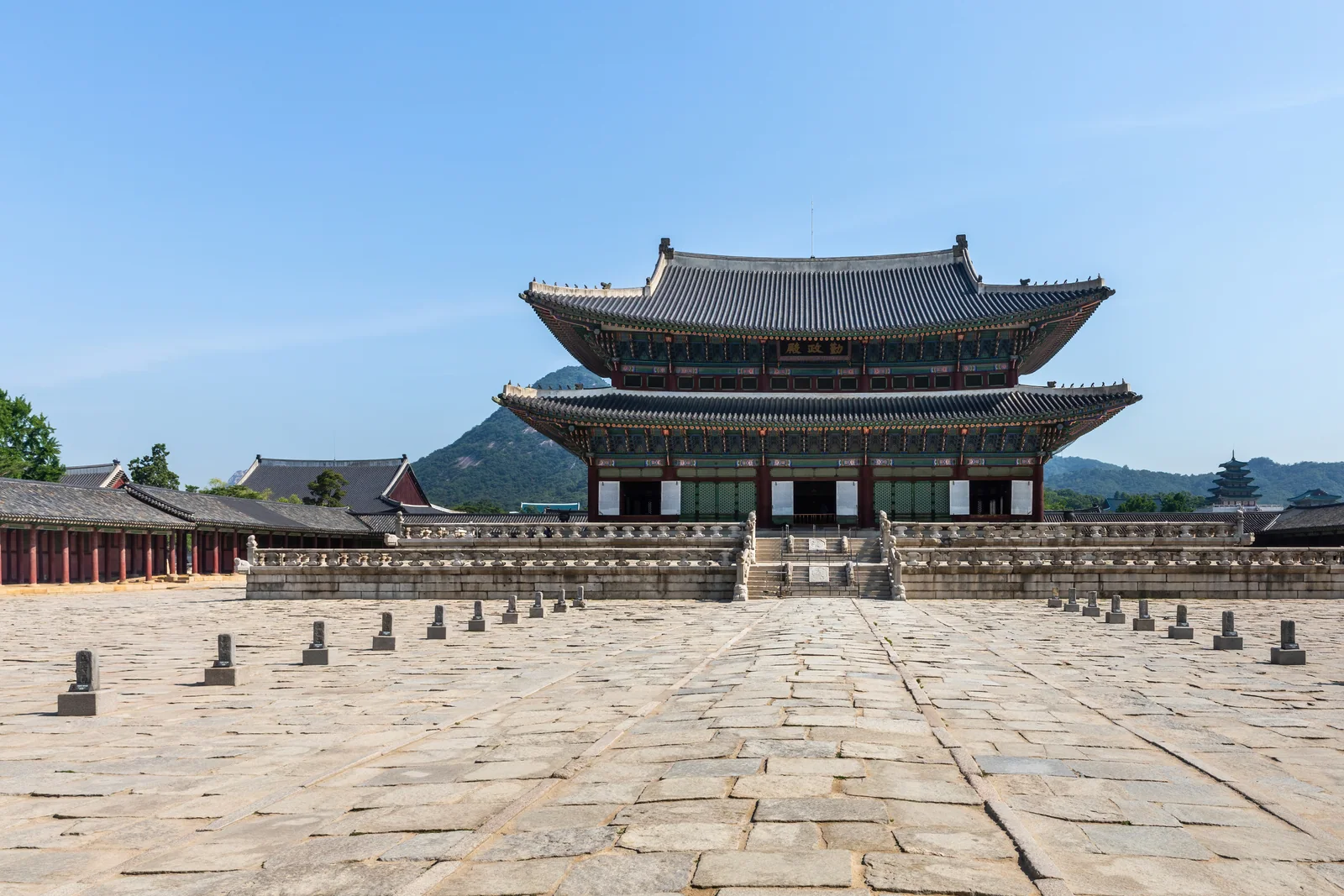
Use the route below for planning, then open the linked sources for details that can change.
Choose one palace-area anchor before drawing the route
A useful palace-and-market half-day begins with one specific heritage anchor whose current visitor conditions have been checked. Do not attempt to combine every central palace, hanok street, shrine, and market. Use Visit Seoul and VISITKOREA to identify the official visitor source for the chosen site, then confirm closure, admission, reservation, and access details near the visit. The anchor determines whether Anguk, Gwanghwamun, or another approach is practical and which market continues the walking direction. This geography-first choice protects the day from becoming a series of repeated station exits and long avenue crossings with little time inside the destinations.
Verify heritage access independently
Historic attractions can have site-specific closed days, controlled areas, seasonal programs, ticket procedures, and visitor-conduct rules. Reopen the official source for the exact palace or heritage place rather than treating a city guide as the admissions desk. If a special program or guided visit matters, confirm its own booking record. Choose a lawful public entrance and respect photography, dress, security, and conservation instructions. Do not imply that a filming association or social-media viewpoint grants access to private or restricted areas. If the anchor is unavailable, switch to the prepared central-Seoul backup instead of compressing a distant replacement into the same half-day.
Walk in one continuous direction toward the market
After the heritage anchor, choose a market that lies along a sensible onward path and finish near a practical return station. Use the exact entrances rather than neighborhood labels to compare the walk. Account for slopes, broad roads, weather, crowded alleys, and mobility needs. Anguk and Gwanghwamun station guides can help with orientation, but the surface route should be checked for the specific traveler. Avoid visiting one palace, crossing back for a hanok street, then reversing again for a market. A one-direction route creates room for rest and makes it easy to shorten the day without abandoning the fixed anchor.
Treat the market as a working place, not a menu guarantee
A market visit should preserve pedestrian flow and ordinary business activity. Choose a few food interests, ask before photographing people or stalls, and do not block narrow aisles while comparing online lists. Vendor presence, ingredients, prices, payment methods, and seating can change, so verify critical dietary needs directly and keep an alternative nearby. Never present a stall as permanently open or suitable for every traveler. Carry only manageable belongings and keep valuables secure in crowded areas. The route remains worthwhile when it helps readers understand how to visit respectfully and choose food safely, even if a famous vendor or exact dish is unavailable.
Build a fallback that stays in central Seoul
Prepare an alternative central anchor and a shorter route before the day. The fallback should work when the chosen heritage site is closed, admission is unavailable, rain makes exposed walking unsuitable, or fatigue changes the group's needs. Check the replacement's own official information rather than assuming it shares the palace schedule. Keep the market optional if conditions make its aisles or outdoor approach uncomfortable. Save a clear return station and accommodation address. A workable half-day preserves the same geographic boundary instead of sending the traveler across Seoul to rescue a checklist, and it can end early without threatening evening reservations.
Recheck both heritage and market conditions
Before leaving, use Visit Seoul and VISITKOREA to reach current information for the chosen heritage site and the surrounding area. Check the palace or cultural operator for entry, the relevant market or district source for access, and Seoul transport information for the approach and return. Opening schedules, admission prices, vendor availability, and walking conditions can change. Choose one confirmed heritage anchor, continue toward the market in a single direction, behave respectfully in the working market, and keep a nearby fallback whose access has also been checked.