Use the route below for planning, then open the linked sources for details that can change.
Choose one heritage direction from Anguk Station
Anguk Station can begin several different central-Seoul walks, including routes toward palace grounds, Insadong, Ikseon-dong, and the Bukchon side. These places are close enough to appear in one map view but not close enough to collect without a walking strategy. Pick the day's anchor first and identify its lawful public entrance rather than navigating to the center of a large site. Then choose one adjacent district that continues from the exit side and reserve everything else as optional. A palace reservation, museum visit, or personally important heritage place should control the order. Without that priority, travelers often cross the same junction repeatedly while moving between attractive names that belong to different slopes and visitor conditions.
Check the exact palace and its current notice
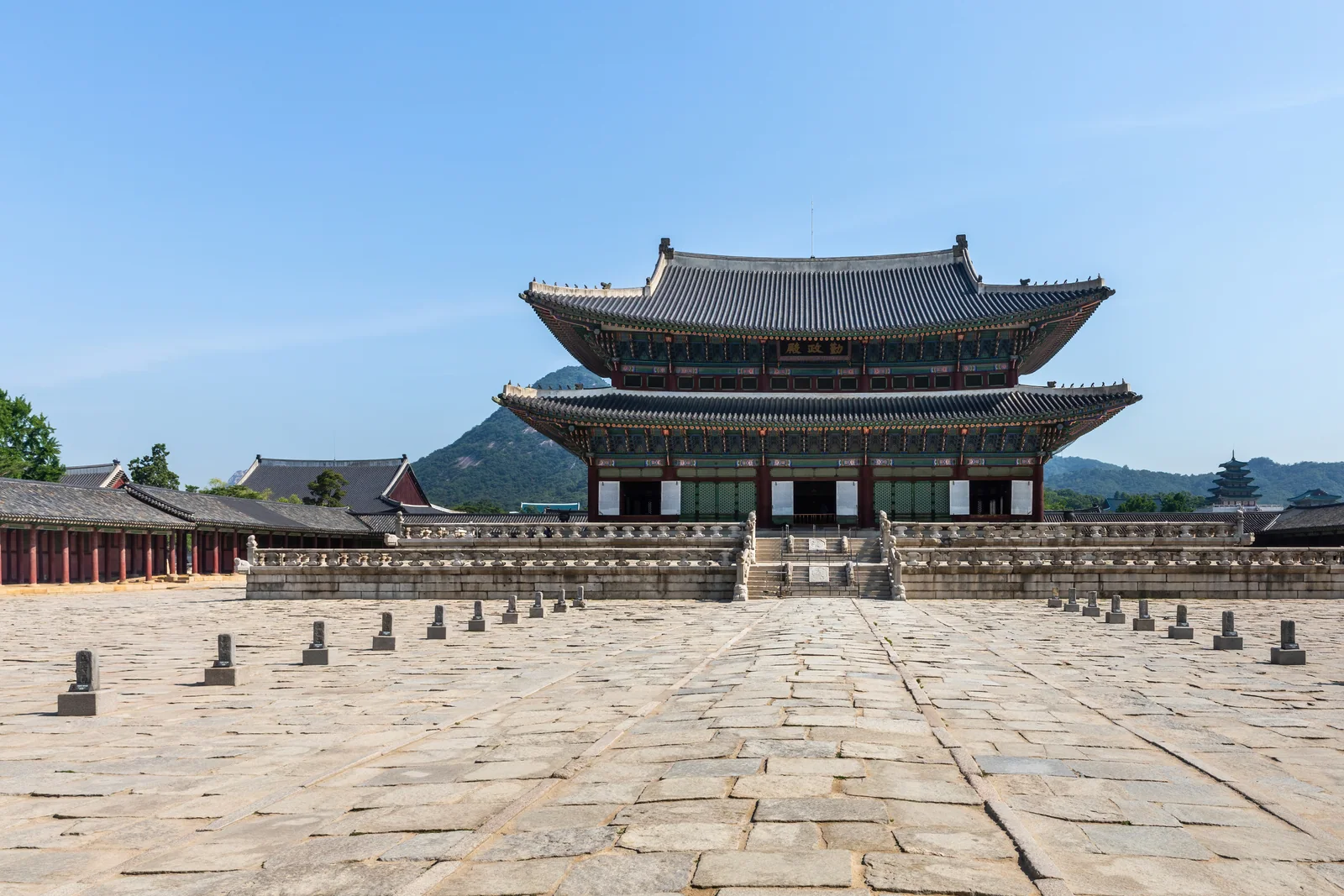
Central Seoul has several royal heritage sites, and their entrances, closed days, ticket procedures, and controlled areas are not interchangeable. Open the official Royal Palaces and Tombs source for the exact site before setting out, then check the current notice layer for temporary changes or special programs. A city tourism summary is useful orientation but cannot replace the operator for admission and access. Save the entrance name in Korean and confirm whether the chosen station approach matches it. If the anchor is unavailable, use the prepared central backup rather than sprinting to a distant palace. The historical district remains worthwhile, but a closed gate should change the route before the group commits to a long perimeter walk.
Treat Bukchon as a lived neighborhood, not a photo set
Bukchon contains visitor streets and cultural institutions alongside homes, schools, guesthouses, workshops, and ordinary community life. Follow current posted access and conduct guidance, keep voices low, avoid doorways, and never direct a camera into a residence. A picturesque lane is not automatically a designated viewpoint or a drama location. Choose a legitimate public institution or officially described visitor street as the route anchor, then keep the walk short enough to respect terrain and resident boundaries. Groups should avoid blocking narrow passages while consulting maps. If signs restrict entry or photography, move to the prepared Insadong, palace, or museum alternative; preserving neighborhood use matters more than reproducing a saved image.
Plan the slope before committing to the hanok streets
The Anguk area changes elevation quickly once a route moves into the northern lanes. Compare the complete walk, including the return or onward transit, with the group's mobility, footwear, weather tolerance, and luggage. Check current station facility information and the accessible entrance for the selected palace or institution independently; an elevator at the station does not guarantee a step-free neighborhood route. Start demanding terrain earlier in the day and keep a lower, flatter alternative through Insadong or another public cultural area. When rain, ice, heat, or fatigue makes a slope unsafe, shorten the plan rather than searching for an unverified shortcut through a private lane. The best route is one the entire group can finish respectfully.
Form a half-day loop without repeating Jongno blocks
A coherent Anguk half-day begins with one time-sensitive heritage anchor, continues into one compatible street district, and ends near a known station or onward central route. For example, a palace-side plan and an Insadong finish can work when the chosen entrances align, while adding Bukchon should depend on terrain and resident guidance. Place food and rest on the same walking direction; verify individual venues rather than crossing Jongno for an old recommendation. Keep one stop removable so a queue or museum visit can run longer without forcing a hurried final transfer. If the next major destination lies around Gwanghwamun, calculate it from the actual last stop instead of assuming every part of the palace district returns naturally to Anguk Station.
Reopen heritage, neighborhood, and station sources
Use the palace authority for current access and notices, Seoul Metro for the station layer, and Visit Seoul for broader destination orientation. On-site conservation, security, and resident-conduct signs take priority over this guide. Do not preserve an admission price, opening hour, exit status, or neighborhood restriction in a static plan; each can change independently. Save the exact anchor entrance, a lower-terrain alternative, the return station, and the official source link before travel. A practical approach is one verified heritage anchor, one compatible walking district, explicit care around residential streets, and a fallback that remains in central Seoul. This makes the day workable without reducing the area to a checklist of palace gates and photo lanes.