Use the route below for planning, then open the linked sources for details that can change.
Build the plan from curbside time, not landing time
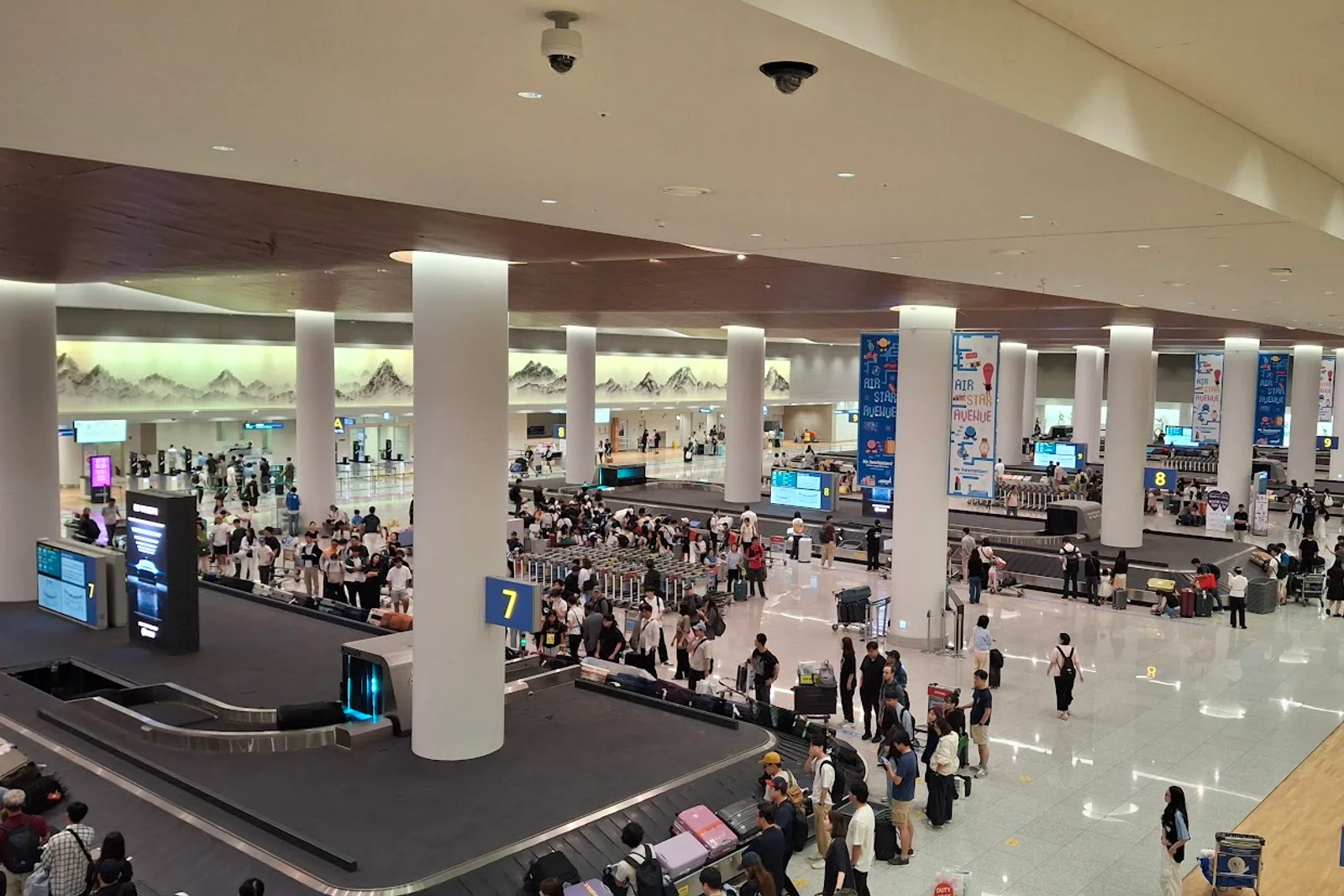
A late flight does not become a ground-transport decision when the aircraft touches down. Immigration, baggage delivery, customs, terminal wayfinding, a delayed bag, and a stop for essential connectivity can all move the usable departure point. Start with three facts you can confirm: the terminal printed for the flight, the Seoul street address of the stay, and whether every traveler can manage the luggage involved. Keep a primary route and a fallback route. That small decision prevents a rushed ticket purchase based on a timetable that no longer matches the moment you actually reach the public arrivals area.
Verify the terminal-specific departure board
Terminal 1 and Terminal 2 have separate official late-night bus pages, so a result for the wrong terminal is not a usable plan. As reviewed on July 12, 2026, both terminal pages list overnight Seoul corridors toward Gangnam Express Bus Terminal, Cheongnyangni, Dongdaemun Design Plaza, and Gwangnaru; recheck the exact route and boarding point for your terminal before purchase. If the flight is a codeshare, confirm the operating airline and terminal rather than relying only on the marketing airline. Screenshots saved before the trip are helpful orientation, but the airport's current notice and on-site display should win when they disagree with an older blog, map pin, or timetable image.
Choose rail, late-night bus, or taxi by the actual task
Rail can be the clearest option when service is still operating and the destination is simple from a major station. An official late-night airport bus can be useful when its current stop pattern places you closer to the accommodation, but the named stop still may require a final city transfer. A taxi reduces transfers and may suit a group or heavy luggage, yet the driver still needs an exact address. Compare door-to-door complexity rather than the first leg alone. Do not select a route merely because it reaches Seoul; select the route that leaves a manageable, well-lit final connection from its city stop to the hotel entrance.
Prepare the final city leg before leaving the airport
Save the accommodation name in Korean, its road address, a nearby landmark, and a phone number supplied by the property. Mark the intended airport-bus stop or rail station and compare it with the actual entrance, because a neighborhood label can cover a large area. Seoul's night-bus network may help on some corridors, but its live route and service information belongs on the official Seoul transport tools, not in a static itinerary. If the last city leg looks uncertain, ask the property for a recommended arrival point while you still have airport Wi-Fi and staffed information counters nearby.
Use a fallback without turning delay into panic
If the planned departure has gone, stop and rebuild the route from the current terminal instead of racing to another boarding area. Recheck the official airport transport page, ask an information counter which listed services remain, and decide whether waiting for a later official option is sensible for the group. Keep companions together and avoid accepting unsolicited transport offers. When using a taxi, join the airport's designated taxi process and show the saved Korean address. A nearby airport hotel or a later morning transfer may be the lower-stress choice when the remaining route would require several uncertain connections with children, mobility needs, or large baggage.
Recheck every late arrival against official sources
Late-night services are especially sensitive to seasonal schedules, operational notices, holidays, and terminal-specific changes. Reopen the official Incheon Airport page close to departure and again after clearing arrivals. Use the Airport Railroad site for the current rail timetable and the Seoul government transport service for any onward night-bus decision. This guide does not preserve a clock time, fare, bus number, or guaranteed stop. What remains useful is the sequence: confirm terminal, estimate the real public-arrivals time, compare the complete trip, and keep one safe fallback that still works if the original connection disappears.